
Family owned, owner installed
Basement waterproofing in Greater Cincinnati and Northern Kentucky
Water gets into a basement in more than one way, and the fix depends on which way it is. We inspect your home in person, find how the water is getting in, and tell you which system stops it. If waterproofing isn't the answer, we tell you that too.




What basement water problems are you seeing?
These are the most common signs your basement may need waterproofing. Whether the water shows up on the floor, in the walls, or only during a storm, it's worth a closer look.
Water seeping or pooling in the basement
Water at the joint where the wall meets the floor, damp walls, cracks that weep after rain, or a musty smell.
Water rising or flooding in heavy rain
Water that comes in fast during a storm, a sump pump that runs constantly, or water at a window well.
Walls cracking or bowing instead of water coming in? See foundation repair.
Basement waterproofing for seepage and flooding
The right system depends on how the water is getting in. After a free owner inspection, an owner personally recommends the system your home needs, or a combination, and explains why. These are the three we install.
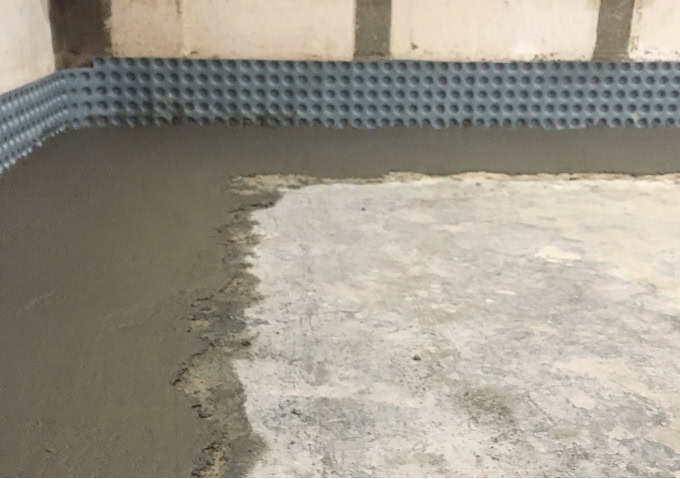
Interior basement waterproofing
When water comes through the wall, a crack, or the joint at the floor, an interior system catches it and drains it away. A waterproof panel goes over the leak, and washed gravel under the floor carries the water down to the footing. Watch for water at the floor joint, damp block, or a crack that weeps after rain.
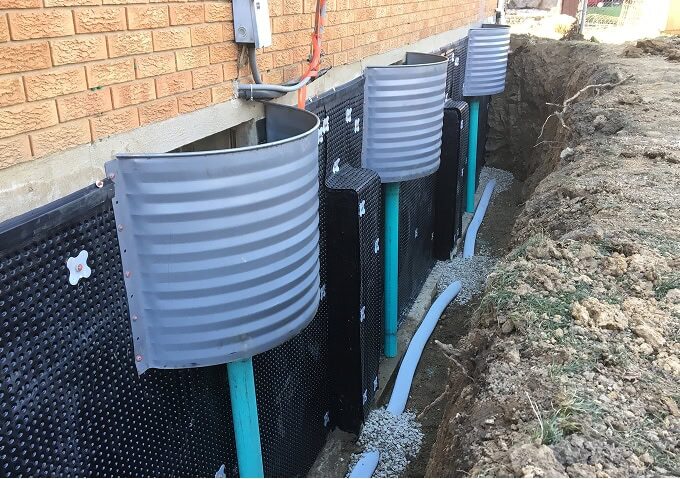
Exterior basement waterproofing
This fits when the water comes from outside the wall and the foundation is reachable. We excavate along the exterior wall, apply a rubberized membrane, and add drainage board, which stops water before it reaches the block. Porches, additions, and tight lots can rule this out, and interior drainage is the answer there.
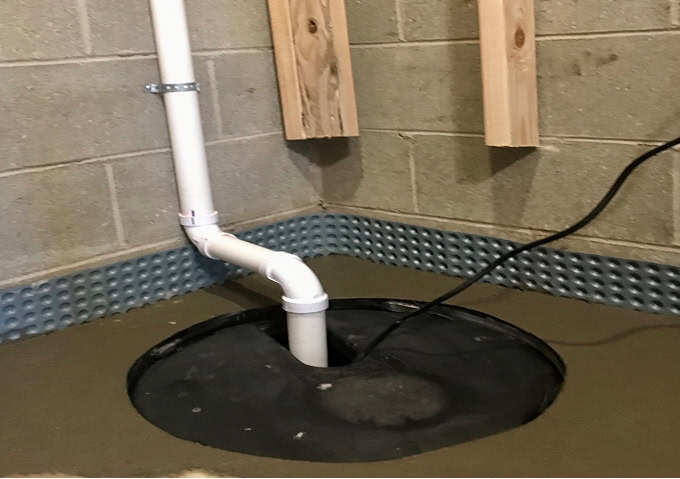
Sump pump installation
A sump pump collects the water your drainage system sends to it and pushes it out through a discharge line, away from the house. A pump works only as well as its discharge, which has to send water somewhere safe. Watch for a pump that runs constantly, or one that can't keep up in a heavy storm.
Why basements get wet here and how waterproofing stops it
Basement waterproofing keeps rain and groundwater out of a basement and moves out any water that gets in. Water can enter through a wall, the floor joint, a window well, or a sewer backup, and each one needs a different fix. Stealth Foundation handles groundwater and wall seepage, and we tell you when the water is coming from somewhere else.
Greater Cincinnati gets about 45 inches of rain and snow a year, spread across every season, and heavy downpours are getting more common. A July 17, 2026 storm dropped 4 to 5 inches on parts of eastern Cincinnati and Norwood, with flash flooding out to Day Heights.
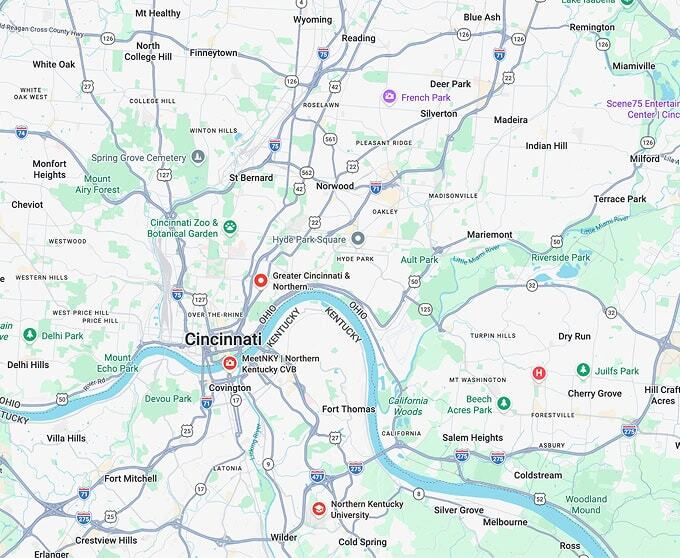
On hillsides, groundwater moves downslope and can collect against a basement wall at the bottom of a slope. That includes Cincinnati's river hills and Covington, Newport, and Fort Thomas. In suburbs like Blue Ash and Mason, settled backfill and roof runoff along the foundation are common causes.
Call to schedule your free owner inspection
Two basements on the same street can take on water in different ways. An owner will come out for a free inspection, look at your basement, and tell you which system stops the water. We serve Hamilton, Butler, Clermont, and Warren counties in Ohio, and Kenton, Boone, and Campbell counties in Northern Kentucky.
Basement waterproofing questions from local homeowners
Start with where the water shows up and when. Water at the wall-floor joint, a crack that weeps after rain, or damp block with white residue points to groundwater or wall seepage. Those are the cases where waterproofing helps.
Two look-alikes do not need waterproofing. Water rising from a floor drain or toilet is a sewer backup, so report it to MSD in Cincinnati or SD1 in Northern Kentucky. Sweating pipes and damp air in humid weather are condensation.
In Greater Cincinnati and Northern Kentucky, the cost depends on the system and on your home. It turns on how much wall needs work and how deep the foundation is. Access, wall condition, and whether the system needs a pump and discharge line matter too.
Exterior waterproofing usually costs more than interior drainage because of the excavation. An owner gives you a written estimate after the free owner inspection, with no obligation.
Interior waterproofing catches water where it comes in. A waterproof panel covers the leak, and washed gravel under the floor carries the water down to the footing.
Exterior waterproofing stops water before it reaches the wall. We excavate along the foundation, apply a rubberized membrane, and add drainage board.
Interior work is less invasive. Exterior work needs room to dig, and porches, additions, and tight lots can rule it out. An owner works out which one, or which combination, fits your home.
Often, yes. Clean gutters, downspouts that empty well away from the house, and soil that slopes away from the foundation are the first things to check. They are the least expensive fixes.
If water still comes in after those are right, or it comes through the wall or floor joint, waterproofing is the next step. Tight lots can limit what grading can do, and an owner can tell you what will work.
Not by itself. Waterproofing controls the water that loads a wall, but it does not restore a wall that has already bowed. A horizontal crack or an inward lean points to a structural problem that needs foundation repair.
In Greater Cincinnati and Northern Kentucky, water and wall movement often show up together. Some homes need drainage and wall repair, and an owner inspects for both.
Most interior drainage and sump pump installations take one to two days. Exterior waterproofing takes longer because of the excavation. You get a specific timeline at the inspection, before any work begins.
Yes. Interior and exterior drainage systems and waterproofing membranes carry a lifetime transferable warranty from Stealth Foundation. Transferable means the warranty passes to the next owner if you sell the home.
A sump pump installation carries a lifetime workmanship warranty on the installation. The pump itself is covered by the manufacturer's warranty.
An owner does. Steve Cohen and David Cohen own Stealth Foundation, with Steve running Ohio and David running Kentucky. An owner personally quotes your job and installs it.
There is no salesperson, no handoff, and no crew you have never met. The person whose name is on your warranty is the one under your house.
Find out how water is getting into your basement
A wet basement won't dry out on its own. Schedule a free owner inspection, and an owner will tell you how the water is getting in and which system stops it. Drainage systems and membranes carry a lifetime transferable warranty.
Call (513) 489-0332 in Ohio or (859) 356-1002 in Northern Kentucky, or schedule online.
Schedule your free owner inspection
We will reach out within one business day to schedule your free owner inspection and written estimate.