
Interior basement waterproofing in Cincinnati, Ohio and Northern Kentucky
No excavation required. Stealth Foundation installs interior drainage systems that capture water the moment it enters and route it out of your basement permanently. We have served Greater Cincinnati and Northern Kentucky homeowners since 2010, and every system is backed by a lifetime transferable warranty.
Call (513) 489-0332 in Ohio or (859) 356-1002 in Northern Kentucky, or schedule online:
Schedule your free owner inspection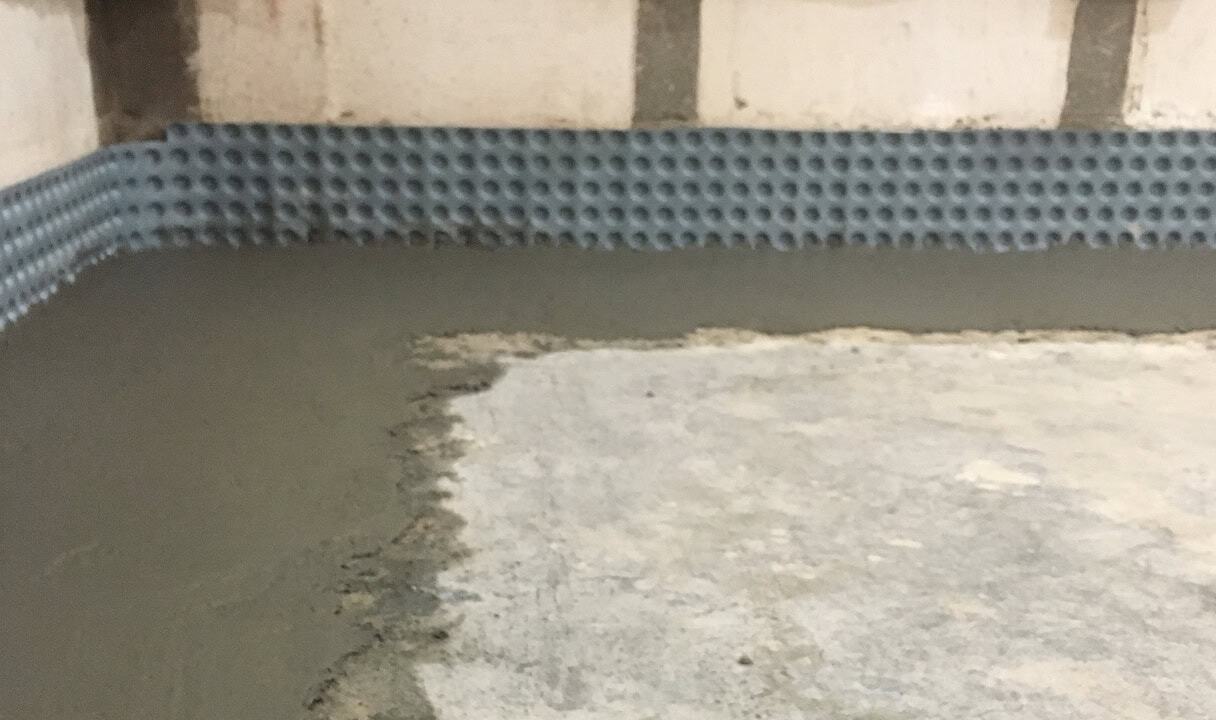
- We find the source, not just the symptom
- Lifetime transferable warranty
- Free owner inspection, no obligation
Drainage, not a sealant
What is interior basement waterproofing
Interior basement waterproofing is a drainage system installed from inside the basement that captures water at the point it enters and routes it out of the home before it can cause damage. It does not stop water from penetrating the foundation wall. It intercepts that water the moment it arrives and removes it automatically through a pipe system connected to a sump pump.
The system involves opening the concrete floor at the base of the wall, laying a perforated pipe in a gravel bed, installing a drainage board against the wall, running the pipe to a sump pit, and pouring the concrete back. Where wall cracks are present, a waterproof panel channels that water into the drainage system. No exterior excavation is required, and most installations are complete within one to two days.
For Greater Cincinnati and Northern Kentucky homeowners dealing with active water intrusion where exterior waterproofing is not practical, interior waterproofing is the most efficient permanent solution available.
Every Stealth Foundation installation is backed by a lifetime transferable warranty that stays with the home through every future sale..
Why water gets in
What causes wet basements in Cincinnati and Northern Kentucky
Understanding why water is getting in helps set the right expectations for what interior waterproofing will do and how long the system will perform. In Greater Cincinnati and Northern Kentucky, three conditions drive the majority of basement moisture problems.
-
Clay soil and hydrostatic pressure
Cincinnati's clay soil absorbs water and holds it. After a heavy rain, the saturated soil around your foundation can stay wet for days, building pressure against the wall until it finds a way through cracks, joints, or porous concrete.
-
Drainage failures
Failing gutters and downspouts, or ground that slopes toward the foundation instead of away from it, concentrate water against the wall rather than draining it off the property. Over time, that concentrated moisture works its way through.
-
Freeze and thaw cracks
Concrete expands and contracts with temperature and moisture, creating small cracks that widen with each freeze and thaw cycle. These are common entry points in older Cincinnati-area homes built without modern waterproofing.
This pattern shows up regularly in older neighborhoods throughout Norwood, Westwood, Mariemont, Newport, and Erlanger, communities where block and poured-concrete foundations from the mid-20th century are dealing with decades of accumulated clay pressure and freeze and thaw stress. Interior waterproofing is often the most practical solution in these settings because exterior excavation around established landscaping and tight lot lines is not always feasible.
What to look for
Signs your basement needs interior waterproofing
These signs indicate water is actively entering your basement and that an interior waterproofing system is worth evaluating.
-
Water on the floor after rain
Standing water or visible wet spots on the basement floor following heavy rainfall is the most direct indicator that water is getting in through the foundation floor joint or through cracks in the wall.
-
Damp or wet walls
Moisture visibly seeping through the wall surface, or walls that feel consistently damp to the touch, indicate ongoing water infiltration rather than isolated condensation.
-
Efflorescence on the walls
White, chalky deposits on the wall surface are mineral residue left behind by water that has moved through the concrete. They indicate chronic moisture movement through the wall, even when standing water is not visible.
-
Musty odor in the basement
A persistent musty smell is typically caused by mold or mildew growth in areas of chronic dampness. The odor often appears before visible mold and is a reliable early indicator of ongoing moisture infiltration.
-
Cracks along the floor or wall joints
Cracks at the point where the floor meets the wall, known as the cove joint, are common entry points for water driven by hydrostatic pressure. Horizontal cracks in the wall itself can allow water to enter as the wall flexes under soil pressure.
-
Humidity spikes in the basement
Elevated indoor humidity in the basement, particularly after rainstorms, indicates moisture is entering the space even when pooling is not yet visible. Condensation on walls, pipes, or windows is a related symptom.
How Stealth installs the system
How interior basement waterproofing works
Interior waterproofing is a drainage system, not a sealant. It does not try to block water out. It catches water the moment it enters and routes it out before it can damage flooring, framing, or stored belongings. Here is how Stealth Foundation installs the system.
-
01
Free inspection and water entry assessment
An owner personally examines the floor and walls, finds every water entry point, and maps the perimeter to treat. That drives the full system design: pipe layout, panel placement, sump location, and pump sizing.
-
02
Concrete opening along the perimeter
The concrete floor is opened along the perimeter of the basement at the base of the wall. The opening creates the trench where the drainage pipe and gravel bed will be installed.
-
03
Perforated pipe and gravel installation
A perforated pipe is laid in the trench along with washed gravel, creating a drainage channel at the base of the wall. A thin membrane covers the pipe to prevent silt and debris from reducing capacity over time.
-
04
Drainage board installation
A drainage board is placed along the trench against the wall, creating an even flow path that channels water entering through the wall or floor joint directly into the gravel and pipe system below.
-
05
Wall crack treatment
Where foundation cracks are present, a waterproof panel is installed over the crack on the interior wall surface. Water moving through the crack enters behind the panel and is channeled into the drainage system below rather than across the floor.
-
06
Pipe run to sump pit
The perforated pipe is run to the sump pit, typically located at the lowest point of the basement floor. The sump pump removes accumulated water from the home automatically as levels rise.
-
07
Concrete pour and finish
The concrete floor is poured back over the trench, smoothed, and leveled. The finished floor is seamless. Most installations are complete within one to two days with no exterior disruption.
Is it the right fit??
Who interior waterproofing is right for
Interior waterproofing is the stronger fit in these situations.
-
Active water intrusion, now
It installs without excavation and is typically complete in one to two days. For a basement taking on water during a wet season, it is the fastest path to a functional solution.
-
Where exterior excavation is not practical
Tight lot lines, finished landscaping, driveways or structures next to the foundation, and attached homes can all make exterior excavation impractical or far more expensive. Interior waterproofing solves the problem without disturbing any of it.
-
Chronic intrusion at the cove joint or slab
Chronic water intrusion through the cove joint or floor slab. Water entering at the floor-wall joint or through the slab is most effectively captured by an interior drainage system positioned at that point. Exterior work addresses the wall surface but does not intercept sub-slab pressure the same way.
-
Homeowners working within a defined budget
Without excavation equipment or footing-depth digging around the perimeter, interior waterproofing is the more cost-accessible solution for most residential projects, while carrying the same lifetime transferable warranty.
How we handle foundation cracks
Cracks in the foundation wall are common in Cincinnati-area homes and a frequent point of water entry. We address them with a method that differs from epoxy injection, which seals the crack but does not account for what happens when water continues to build pressure against the wall. We install a waterproof panel directly over the crack on the interior surface, so water that seeps through enters behind the panel and is channeled down into the gravel and pipe at the footing rather than into the living space. That approach manages water through the crack instead of relying on a surface seal that can fail as concrete expands and contracts each season.
The sump pump completes the system
The perforated pipe that collects water along the perimeter runs to a sump pit at the lowest point of the basement floor, where the pump removes accumulated water from the home automatically as levels rise. A properly sized, functioning pump is what completes the loop from entry point to removal. We cover pump sizing, installation, and battery backup options in detail on our sump pump page.
Interior vs. exterior waterproofing: choosing the right approach
Interior and exterior waterproofing solve the same problem from opposite sides of the foundation wall. Understanding the distinction helps set the right expectations before the inspection.
Interior waterproofing captures water after it has entered or begun to penetrate the wall, routing it away before it reaches the floor. It is the right solution for managing active water intrusion, particularly when excavation is not feasible or cost-effective.
Exterior waterproofing applies a membrane barrier and drainage system to the outside of the foundation wall, stopping water before it contacts the concrete. It is the more comprehensive solution for preventing water from reaching the wall at all, but it requires full perimeter excavation down to the footing.
Some homes benefit from both systems working together. The inspection determines which approach, or which combination, is right for your specific situation. For a full breakdown of the exterior system and when it is the appropriate recommendation, see our exterior basement waterproofing page.
The assurance of a transferable lifetime warranty
Every interior waterproofing system Stealth Foundation installs is backed by a lifetime transferable warranty. The coverage stays with the home through every future sale, at no cost to the new owner and with no reduction in coverage.
What the warranty covers
The warranty covers the installed drainage system for the life of the structure. If anything related to the interior waterproofing installation requires attention after the job is complete, we come back.
For homeowners planning to sell, the warranty is a documented asset. A buyer's inspector reviewing Stealth Foundation's warranty documentation for a completed interior waterproofing installation sees a professionally addressed water problem backed by a family-owned company serving Greater Cincinnati and Northern Kentucky since 2010. That documentation helps a transaction move forward rather than stalling at the inspection report.
For homeowners staying in the home, the warranty removes the ongoing concern. The system is in, the water is managed, and the company that installed it is still here.
Frequently asked questions
Interior waterproofing manages water the moment it moves through the foundation wall or floor-wall joint. It does not stop water from penetrating the concrete. It intercepts that water as it arrives and removes it automatically before it can spread across the basement floor. For homes where stopping water before it contacts the wall is the goal, exterior waterproofing is the appropriate system. The free inspection determines which approach fits your specific situation.
Yes. Interior basement waterproofing is a proven, permanent system that manages water from the inside without exterior excavation. The process involves opening the concrete floor along the perimeter of the basement, laying a perforated pipe in a gravel bed at the base of the wall, installing a drainage board against the wall to channel water into the system, running the pipe to a sump pit, and pouring the concrete back. A waterproof panel is installed over any wall cracks, capturing water that seeps through and directing it into the drainage channel rather than across the floor. The result is a system that manages water the moment it enters and routes it out of the home automatically.
For homeowners dealing with active water intrusion in Greater Cincinnati and Northern Kentucky, yes. Interior waterproofing permanently manages water that is entering the basement, preventing damage to flooring, framing, stored belongings, and finished spaces. It is the most practical solution for homes where exterior excavation is not feasible, and at a lower cost than exterior waterproofing for most residential projects. The system is warranted for the lifetime of the structure with coverage that transfers to any future owner. For homeowners thinking about resale, a completed interior waterproofing installation with a transferable warranty is a documented asset at the inspection phase of a sale, not an open question for the buyer to negotiate around.
Most residential interior waterproofing projects in Greater Cincinnati and Northern Kentucky fall between $3,500 and $10,000. The primary variables are the length of the perimeter being drained, the number of wall cracks requiring panel treatment, and whether a new sump pump is part of the installation. Interior waterproofing does not require excavation, which is why it typically costs considerably less than exterior waterproofing for the same basement footprint. We provide a detailed written estimate after the free inspection so you have a specific number before any decision is made.
Stealth Foundation addresses wall cracks during interior waterproofing installation by installing a waterproof panel over the crack on the interior wall surface. Rather than injecting epoxy to seal the crack, a method that does not account for ongoing wall movement as concrete expands and contracts seasonally, the panel captures water that moves through the crack and channels it behind the panel and downward into the gravel and drainage pipe installed at the footing. The floor is opened at the base of the wall as part of the standard installation, the drainage system is set in place, and the concrete is poured back and leveled. Water that enters through the crack is routed into the system and out of the home rather than across the floor.
Interior waterproofing is the right fit when water is already entering the basement and the priority is managing it effectively without excavation. It is particularly well-suited for homes where tight lot lines, finished landscaping, adjacent structures, or driveways make exterior excavation impractical or cost-prohibitive. It is the faster solution, with most installations complete in one to two days and no exterior disruption. Exterior waterproofing is the more comprehensive solution for homes where stopping water before it contacts the foundation wall is the goal, or where the source of water pressure is best addressed from the outside. The free inspection determines which approach is right for your specific basement and water entry situation.
A properly installed interior waterproofing system is designed to perform for the life of the structure. The perforated pipe, gravel, and drainage board components are rated for long-term underground service. The thin membrane covering the pipe prevents silt and debris from reducing the pipe's capacity over time. Stealth Foundation backs every interior waterproofing installation with a lifetime transferable warranty, the same coverage that applies to every other system we install. The system does not have an expiration date, and the warranty does not require annual maintenance to remain valid. If anything related to the installation requires attention, we come back.
A drier, healthier home
Interior waterproofing across Greater Cincinnati and Northern Kentucky
We design and install interior drainage systems for homeowners across Hamilton, Butler, Clermont, and Warren counties in Ohio and Kenton, Boone, and Campbell counties in Northern Kentucky. If you don't see your community, give us a call, and we can confirm coverage before your inspection.
Cincinnati, Ohio
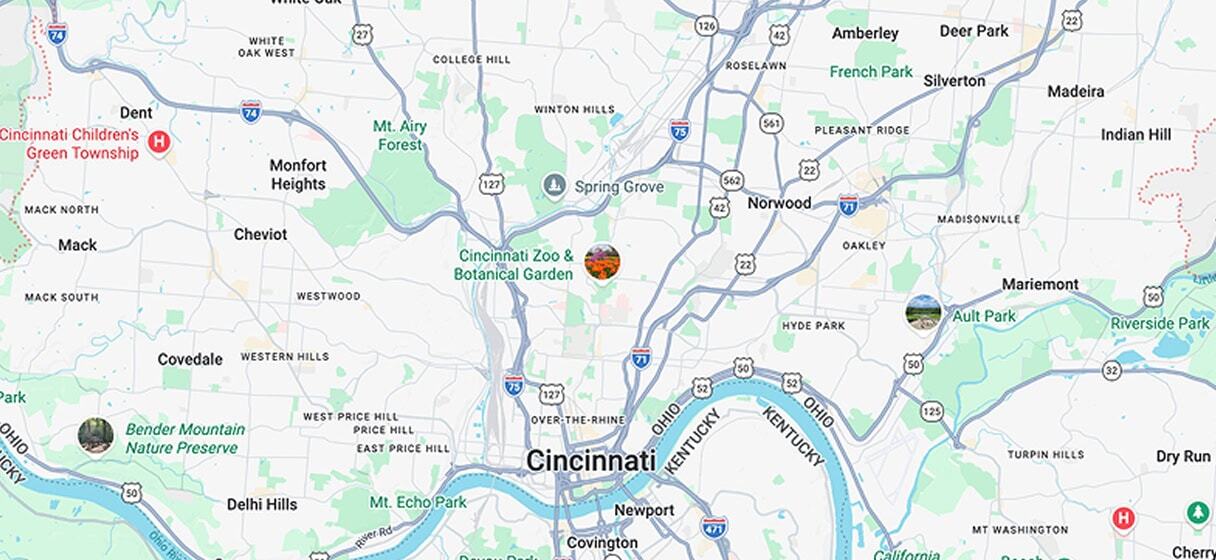
Our Greater Cincinnati service area includes Cincinnati, Milford, Anderson Township, West Chester, Mason, Hyde Park, Blue Ash, Loveland, Norwood, Price Hill, Westwood and surrounding communities.
Northern Kentucky
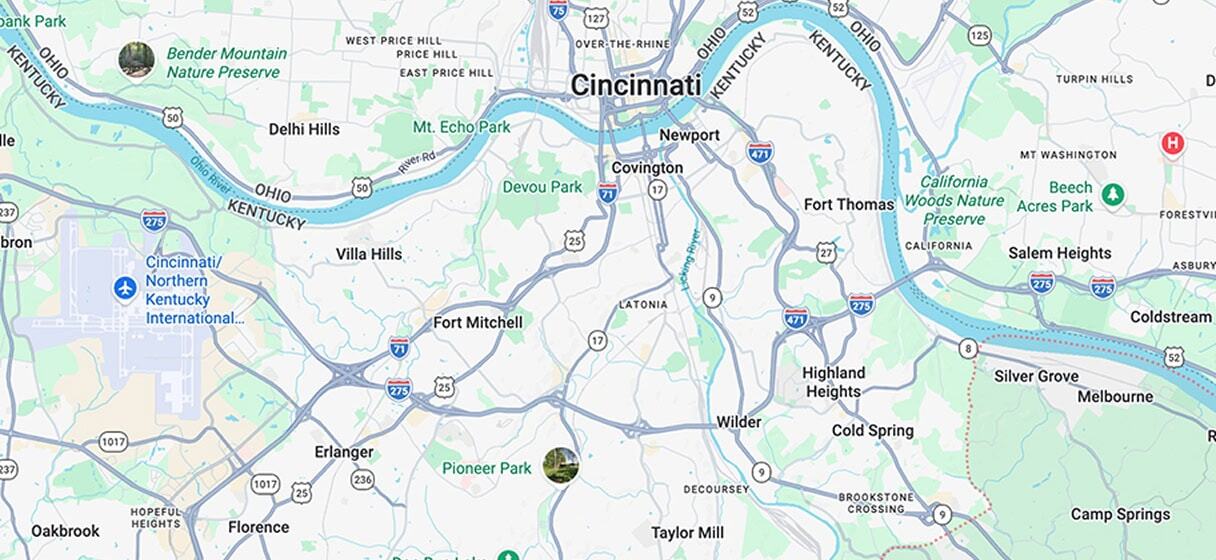
Our Northern Kentucky service area includes Independence, Covington, Fort Thomas, Florence, Erlanger, Newport, and Fort Mitchell and surrounding communities.
Related waterproofing and foundation services
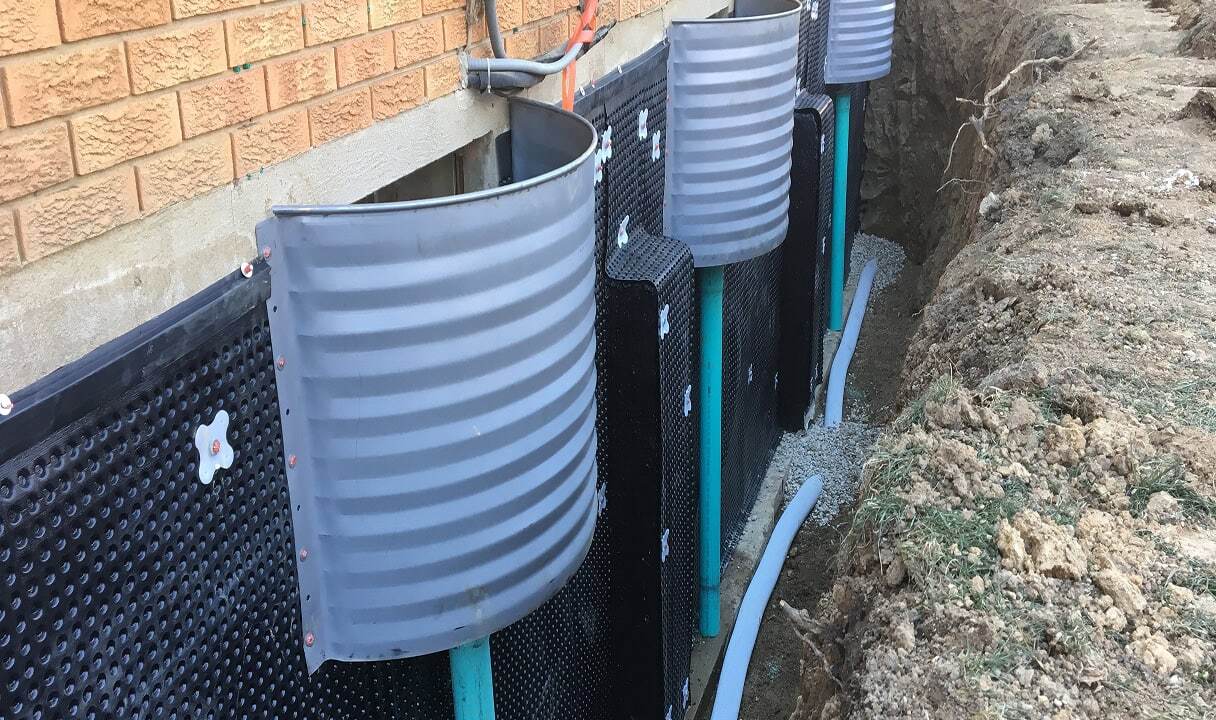
Exterior basement waterproofing
For homes where stopping water at the source with a membrane barrier and exterior drainage is the right approach. Requires full perimeter excavation.
Exterior basement waterproofing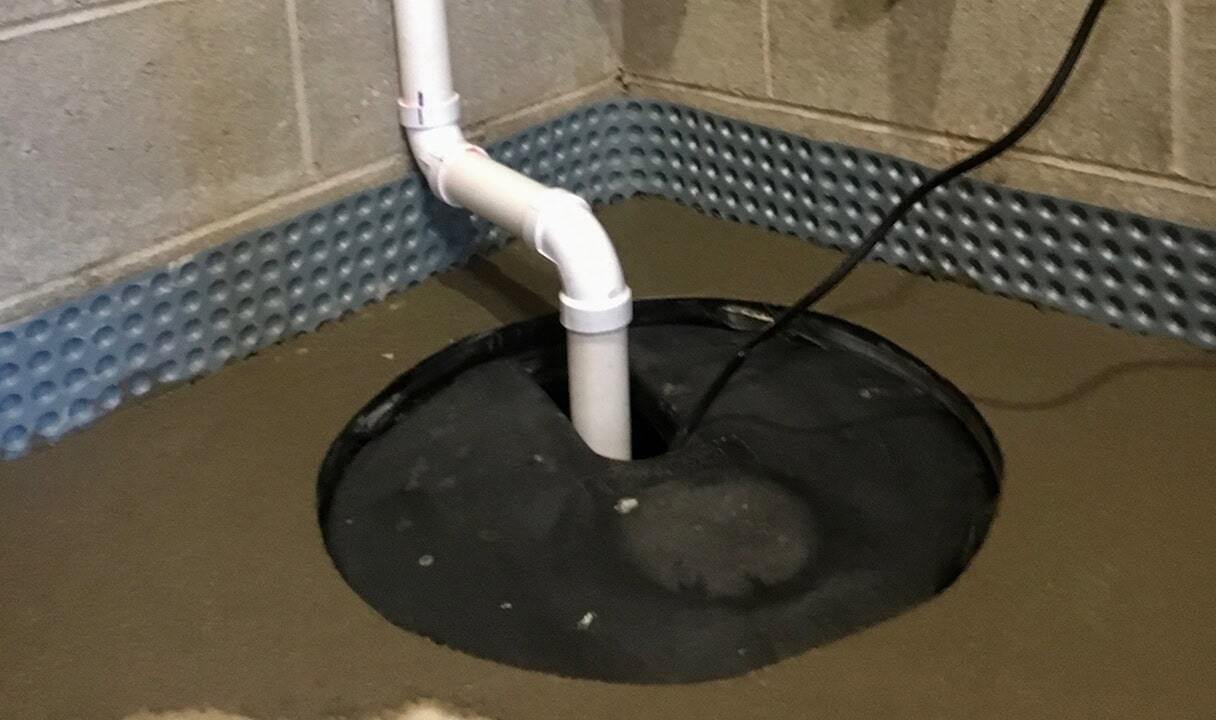
Sump pump installation
Pump sizing, installation, and battery backup options, the component that completes the interior drainage system.
Sump pump installation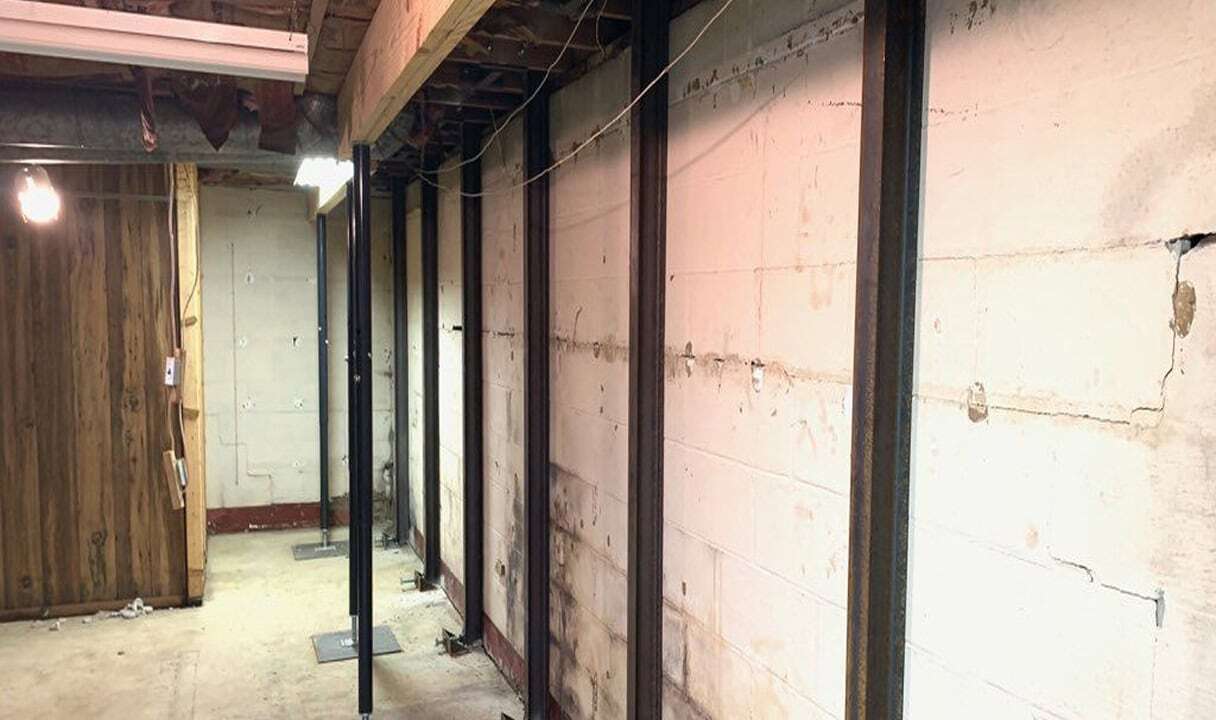
Foundation repair services
For structural issues including settling foundations and bowing walls that sometimes present alongside basement water problems.
Foundation repair servicesGet a free interior waterproofing inspection, no obligation
Water in a Cincinnati or Northern Kentucky basement does not resolve between seasons. It finds more ways in. Schedule a free inspection with Steve or David Cohen and you will get a clear assessment of where water is entering, what the system will include, and a written estimate before any commitment is made.
Call (513) 489-0332 in Ohio or (859) 356-1002 in Northern Kentucky, or schedule online:
Schedule your free owner inspection
We will reach out within one business day to schedule your free owner inspection and written estimate.