
Sinking foundation: warning signs, causes, and how it is fixed
If your floors are sloping, your doors have started sticking, or cracks are opening at the corners of your windows, your foundation may be settling. This page gives Greater Cincinnati and Northern Kentucky homeowners a straight answer on what causes a foundation to sink, how serious it is, and how it is repaired. Stealth Foundation has stabilized settling foundations across the region since 2010.
Is your foundation sinking? Call (513) 489-0332 in Ohio or (859) 356-1002 in Northern Kentucky, or schedule online:
Schedule your free owner inspection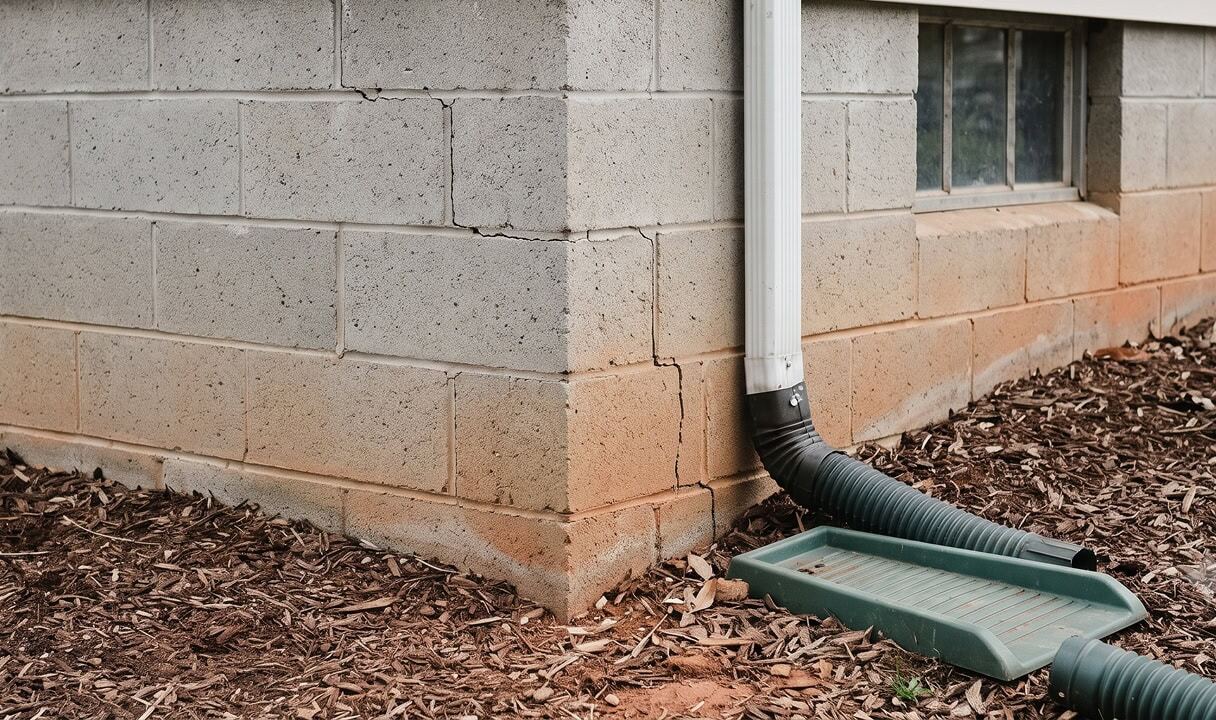
- Free owner inspection, no obligation
- 61 years stabilizing local foundations
- Settlement can be stopped, often lifted back
What is a sinking foundation?
A sinking foundation, or foundation settlement, is a foundation that has moved downward because the soil beneath it can no longer support the weight of the structure. The movement is usually uneven. One section drops while another stays in place, which is why settlement shows up as sloping floors, diagonal cracks at door and window corners, and gaps that open around the structure. A foundation does not sink all at once. It moves gradually as the soil below compresses, washes away, or loses bearing capacity over months and years.
In Greater Cincinnati and Northern Kentucky, settlement is driven by the region's expansive clay soil, which shrinks and loses volume during dry periods, and by the fill soil under many newer subdivisions that keeps compacting under the weight of the home. A sinking foundation does not stabilize on its own, but it is repairable. The settlement can be stopped, and in many cases the foundation can be lifted back toward its original position. A free professional inspection is the right first step.
Warning signs of a sinking foundation
Settlement rarely announces itself with one dramatic event. It shows up as a collection of smaller signs that get easier to dismiss the longer they are present. Here is what to watch for.
-
Floors that slope or feel uneven underfoot
A noticeable slope across a room, or a floor that dips toward one wall, indicates the foundation below has dropped on that side. A marble that rolls on its own is a simple field check.
-
Diagonal cracks at the corners of doors and windows
As one section of the foundation settles, the stress concentrates at the weakest points in the wall, the corners of openings, producing cracks that run at an angle.
-
Doors and windows that stick or no longer latch
When the foundation shifts, the frames around doors and windows rack out of square, causing them to bind in their openings.
-
Gaps opening between walls and the floor, ceiling, or trim
Settlement pulls the structure apart at the seams, opening gaps where the wall meets the floor, the ceiling, or the baseboards.
-
A chimney or porch pulling away from the house
Attached structures on separate footings often settle at a different rate, opening a visible gap where they meet the main structure.
-
Stair-step cracks in exterior brick or block
On the outside, settlement shows as stair-step cracking through mortar joints, usually concentrated toward one corner of the home.
-
Interior finishes separating from the wall
Counters, cabinets, and trim that pull away from the wall reveal that the structure they are attached to is settling unevenly.
What causes foundation settlement
A foundation settles when the soil beneath it loses the ability to carry the load above it. In Greater Cincinnati and Northern Kentucky, a handful of causes account for most of what we see.
-
Clay soil shrinkage during dry periods
The region's expansive clay loses volume as it dries, and the foundation drops into the space the shrinking soil leaves behind. This is most pronounced after extended dry spells.
-
Poorly compacted fill soil
Many newer subdivisions throughout Mason, West Chester, and the Northern Kentucky growth corridor were built on graded lots and fill that continues to compress under the weight of the home, often within the first 10 to 15 years.
-
Soil washout from poor drainage.
Water that drains toward the foundation rather than away from it erodes and carries off the soil supporting the footing, leaving voids the foundation settles into.
-
Loss of soil bearing capacity.
Soil that becomes saturated, disturbed, or consolidated over time loses its ability to carry the structural load, and the foundation moves down until it finds support.
-
Plumbing leaks beneath the slab.
A long-term leak under the foundation can saturate and wash out the supporting soil, producing localized settlement directly above the leak.
-
Mature tree roots drawing moisture from the soil.
Large trees close to the foundation pull significant moisture from clay soil, accelerating the shrinkage that leads to settlement on that side of the home.
How serious is foundation settlement?
Settlement is progressive. The soil that failed to support the foundation does not recover on its own, so the movement continues until the load is transferred to soil that can carry it. The severity is a function of how far the foundation has dropped and how fast it is still moving.
Early settlement, caught while the displacement is small, is the least invasive to repair and gives the best chance of lifting the foundation back toward level. Advanced settlement, with significant displacement, wide cracking, and pronounced floor slope, is more involved because more lift is required and more of the structure has moved out of alignment. The measurement that matters is how much the foundation has dropped and whether that movement is still active, which a professional inspection determines precisely rather than by eye.
What happens if you wait
The soil under a settling foundation does not stabilize while a homeowner decides what to do. Every dry season that shrinks the clay, every wet season that washes out support, and every year the fill keeps compacting adds to the movement. The foundation continues to drop.
As it does, the cracks at the corners of doors and windows widen, the floor slope becomes more pronounced, and doors and windows that merely stuck begin to refuse to close. Cracks that open wide enough start admitting water, adding a moisture problem to the structural one. And the further the foundation drops, the more lift is required to bring it back, which makes the eventual repair more involved than it would have been earlier. Settlement caught early is almost always the simpler and less costly repair.
Not sure how far your foundation has already settled? A free owner inspection gives you the exact measurement in writing, with no obligation. Call (513) 489-0332 in Ohio or (859) 356-1002 in Northern Kentucky, or schedule your inspection below.
How a sinking foundation is repaired
Foundation settlement is corrected by transferring the weight of the structure off the failing soil and onto soil that can carry it. Helical pier foundation repair is the method Stealth Foundation uses for sinking and settling foundations. Steel helical piers are driven through the unstable clay or fill layer down to stable, load-bearing soil below, and the weight of the foundation is then transferred onto the piers. This permanently stops the downward movement, and in many cases the foundation can be lifted back toward its original position as the piers are loaded. Because each pier is installed to a verified torque, the capacity of the soil it reaches is confirmed during installation rather than assumed.
If poor drainage or soil washout contributed to the settlement, correcting the exterior drainage is part of keeping it from recurring. And if the cracking that comes with settlement is what you are trying to interpret, our foundation cracks page explains what different crack patterns mean. The free inspection identifies the cause and the right combination of work for your home.
Why Cincinnati and Northern Kentucky foundations settle
The expansive clay soil that underlies most of Greater Cincinnati and Northern Kentucky is the defining factor. Clay swells when it absorbs water and shrinks when it dries, and it is the shrinking that drives settlement. During extended dry spells, the clay under and around a foundation loses volume, and the foundation drops into the space left behind. Large trees near the home accelerate the effect by pulling additional moisture out of the soil on one side.
The region's growth is the second factor. Decades of suburban expansion across Warren and Boone Counties and the communities around Mason, West Chester, Florence, and Burlington put thousands of homes on graded lots and engineered fill. Fill soil continues to compress under the structural load for years after construction, which is why newer homes in these areas can show settlement in the 5 to 15 year range, earlier than most homeowners expect to watch for it.
The Ohio River valley's heavy seasonal moisture and the freeze and thaw cycling of local winters add to the picture, keeping the soil in a constant state of movement. We see settlement most often in two places: older homes on clay that has gone through decades of shrink and swell, and newer homes on fill that has not finished compacting. Different causes, the same repair path, helical pier stabilization down to soil that holds.
Frequently asked questions about sinking foundations
\The clearest signs of a sinking foundation are uneven or sloping floors, diagonal cracks at the corners of doors and windows, doors and windows that stick or no longer latch, and gaps opening where walls meet the floor, the ceiling, or the trim. On the outside, settlement often shows as stair-step cracking through brick mortar joints concentrated toward one corner of the home, or a chimney or porch pulling away from the main structure. These signs point to downward movement on one part of the foundation rather than the inward movement that causes wall bowing. The reliable way to confirm settlement and measure how far the foundation has dropped is a professional inspection.
A foundation sinks when the soil beneath it can no longer support the weight of the structure. In Greater Cincinnati and Northern Kentucky, the most common causes are the shrinkage of expansive clay soil during dry periods, poorly compacted fill soil under newer subdivisions that continues to compress under the load of the home, and soil washout from poor drainage that erodes the support beneath the footing. Plumbing leaks below the slab, mature tree roots drawing moisture from the soil, and the gradual loss of soil bearing capacity over decades contribute as well. Settlement is usually uneven, with one section of the foundation dropping while another stays in place, which is what produces the diagonal cracking and sloping floors homeowners notice.
Yes. A sinking foundation is repairable, and the settlement can be stopped permanently. Stealth Foundation uses helical pier foundation repair for sinking and settling foundations. Steel helical piers are driven through the unstable clay or fill layer down to stable, load-bearing soil below, and the weight of the foundation is then transferred onto the piers. This stops the downward movement, and in many cases the foundation can be lifted back toward its original position as the piers are loaded. Because each pier is installed to a verified torque, the capacity of the soil it reaches is confirmed during installation rather than estimated. The right approach for your home depends on how far it has settled and the soil conditions on the site, which is what the free inspection determines.
A sinking foundation is a structural condition, not a cosmetic one, and it does not stabilize on its own. The degree of risk depends on how far the foundation has moved and how quickly it is progressing. Early settlement that has been stable may be a different situation than active movement with widening cracks and noticeably sloping floors. As settlement continues, the structure racks further out of square, cracks widen and can begin admitting water, and doors, windows, and floors move further out of alignment. Left unaddressed, the movement makes the eventual repair more involved because more lift is required to bring the foundation back. A professional inspection establishes the current severity and rate of movement, which determines how urgent the repair is.
The cost depends on how many piers the foundation requires, how deep the stable soil layer sits, and the conditions on the site. Helical pier installations for sinking foundations typically range from $5,000 to $15,000 depending on the number of piers and the depth required to reach load-bearing soil. Because the number of piers and the required depth vary from home to home, there is no reliable way to price the work without a professional inspection. Every estimate Stealth Foundation provides is based on a free inspection specific to your foundation, with an itemized written estimate before any commitment.
The expansive clay soil that underlies most of Greater Cincinnati and Northern Kentucky is the primary reason. Clay loses volume as it dries, and the foundation drops into the space the shrinking soil leaves behind, an effect that is most pronounced after extended dry spells and around large trees that pull moisture from the soil. The region's rapid suburban growth is the second factor. Many homes in Mason, West Chester, and the Northern Kentucky growth corridor were built on graded lots and fill soil that continues to compress under the weight of the structure, sometimes producing settlement within the first 10 to 15 years. Combined with the freeze and thaw cycling and heavy seasonal moisture of the Ohio River valley, these conditions make foundation settlement one of the more common structural problems in the region.
61 years of combined experience
Why homeowners call Stealth Foundation first
Steve Cohen has 38 years of foundation experience here. David has 23. Between them, 61 years of reading crack patterns in the same block and poured-concrete foundations, the same clay soil, the same seasonal stress cycles. An owner personally conducts every inspection and gives you a straight answer on what is causing the crack and what the right response is. Backed by a BBB A+ rating and verified reviews on Google and Angi, and one promise: we would rather lose a job than sell you a repair your home does not need.
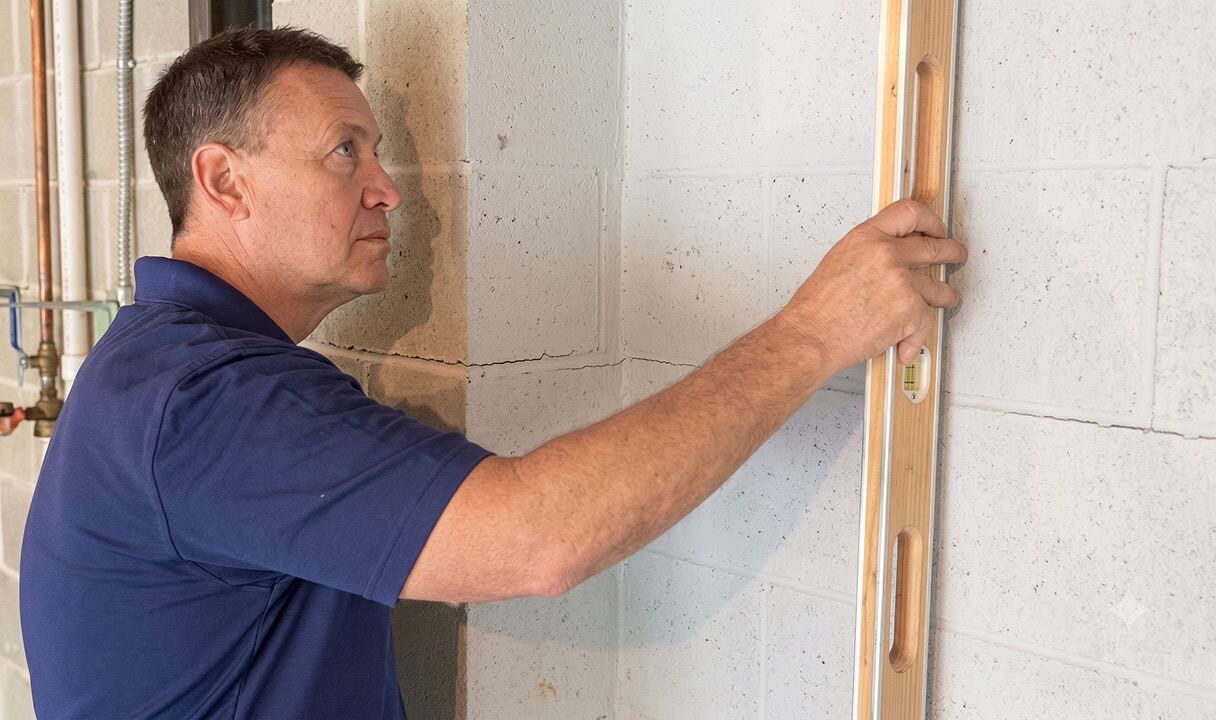
Free sinking foundation inspection, no obligation
A settling foundation does not wait, and the longer it moves the more involved the repair becomes. Schedule a free inspection with Steve or David Cohen, and they will measure the movement, identify what is driving it, and give you a straight answer on what it takes to stop it, with no guesswork and no obligation. If repair is needed, they explain what it involves and what it costs before any commitment. If it is not, they will tell you that too. Every repair is backed by a lifetime transferable warranty.
Call (513) 489-0332 in Ohio or (859) 356-1002 in Northern Kentucky, or schedule online.
Schedule Your Free Inspection
We will reach out within one business day to schedule your free inspection & written estimate.