
Basement flood prevention: how to protect your home before it happens again
Whether your basement has flooded before or you know it is at risk, the question is the same: what does it take to make sure it does not happen again? Stealth Foundation installs the drainage and waterproofing systems that answer that question for Greater Cincinnati and Northern Kentucky homeowners. Free inspections. No obligation.
Call (513) 489-0332 in Ohio or (859) 356-1002 in Northern Kentucky, or schedule online:
Schedule your free owner inspection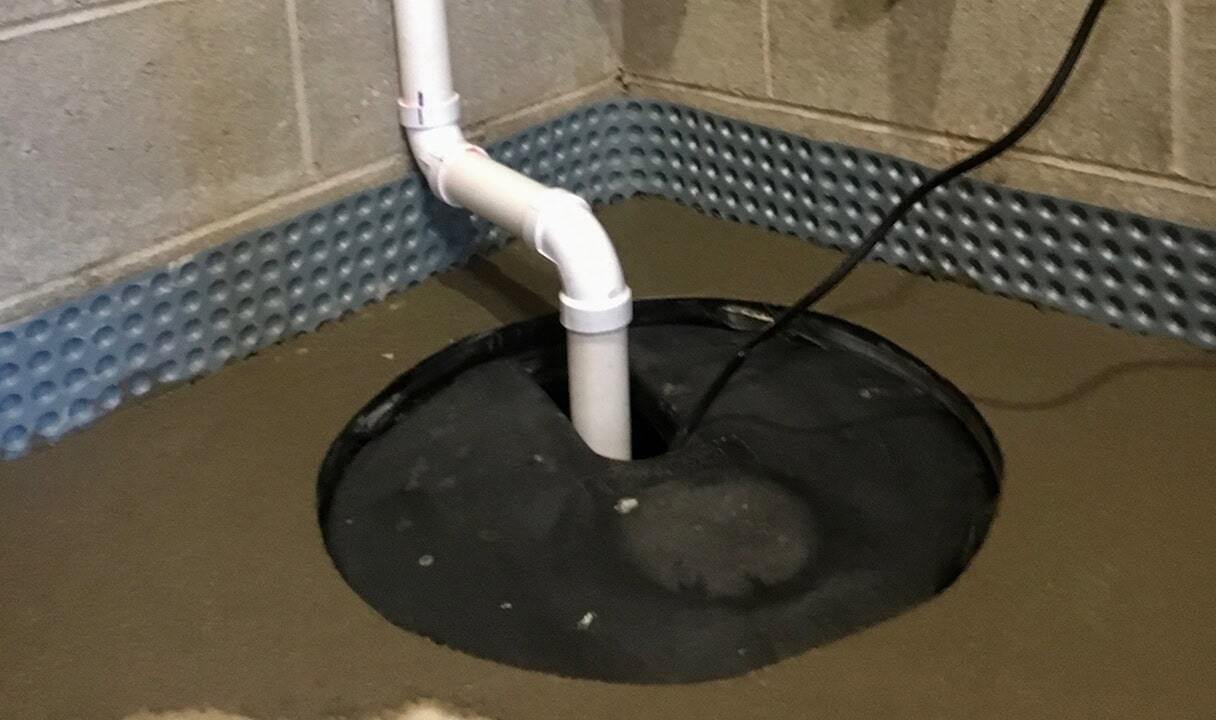
- Free owner inspection, no obligation
- 61 years preventing local basement flooding
- Prevention systems, not cleanup
What basement flood prevention actually involves
Basement flood prevention is the process of installing the drainage and waterproofing systems that stop water from accumulating on the basement floor during heavy rain events, before it gets there. It is distinct from water damage restoration, which addresses the aftermath of a flood. Prevention is what you install so the restoration company never has to come back.
For Greater Cincinnati and Northern Kentucky homeowners, basement flooding is almost always traceable to a specific failure: no sump pump, an undersized pump, a pump that lost power during a storm, exterior drainage concentrating water against the foundation, or no interior drainage system to intercept water entering at the floor joint. Those failures are identifiable and addressable before the next storm tests them.
Stealth Foundation installs the prevention systems, sump pumps, battery backup systems, interior drainage, and exterior waterproofing, after a free inspection that identifies which failure points exist in your specific home. Water restoration companies do critical work. Our role starts where theirs ends.
Some homeowners find this page before a flood happens. They know their basement is vulnerable and want to act before the next major storm tests it. Others find it after a flood, once the restoration company has finished the work and the basement is dry again. Both situations lead to the same question: what do I do now to make sure this does not happen again? Stealth Foundation handles that part. Water restoration companies do critical work. They extract the water, dry the space, and stop mold from taking hold. Once that work is done, the cause of the flooding still exists. We install the system that prevents it from happening again.
Why basements flood
Basement flooding during heavy rain is not random. It happens for specific reasons, and knowing which one applies to your home is what determines the right solution. These are the most common causes in Greater Cincinnati and Northern Kentucky.
- No sump pump or an undersized one. This is the most common cause of basement flooding during heavy rain events. A home without a sump pump has no active water removal system. A home with an undersized pump has one that cannot keep up with the volume it is handling when conditions are worst.
- Sump pump failure. A pump that is past its service life, has a stuck float switch, or has not been maintained can fail mechanically at the worst possible moment, during a storm. A pump that fails during a heavy rain event is effectively the same as no pump at all.
- Power outage during storms. Standard sump pumps run on electricity. The storms most likely to produce basement flooding in Cincinnati and Northern Kentucky are the same ones most likely to knock out power. When the power goes, a primary-only pump goes with it, right when it is needed most. A battery backup system keeps the pump running through an outage.
- Window well overflow. Basement windows set below grade require drainage in the well surrounding them. When that drainage fails or becomes clogged, water accumulates in the well and enters the basement through the window frame or the surrounding concrete.
- Lateral sewer or drain backup. During heavy rain events, municipal sewer systems can become overwhelmed and push water back through floor drains. This is a different problem from groundwater flooding and requires different mitigation, typically backflow prevention devices.
- Foundation cracks during high water table events. Heavy rainfall raises the water table rapidly. When the water table rises against existing foundation cracks, water is forced through under pressure in ways it may not be during lower water table conditions. A basement that has never shown signs of leaking can flood during an unusually severe storm for this reason.
- Rapid snowmelt. Northern Kentucky winters followed by quick warm-ups in late winter push significant water volume into drainage systems quickly. Sump pumps that handle normal rainfall adequately can be overwhelmed by the sustained volume of snowmelt, particularly when the ground is still frozen and cannot absorb any of it.
- Overwhelmed or failing exterior drainage. Clogged gutters, downspouts draining too close to the foundation, and grading that slopes toward the home rather than away from it all concentrate water against the foundation perimeter. During heavy rain events, that concentrated volume exceeds what even adequate interior drainage can manage.
When Cincinnati and Northern Kentucky homes are most vulnerable
Basement flooding risk in Greater Cincinnati and Northern Kentucky is not evenly distributed across the calendar. These are the conditions that produce the highest risk.
- Spring rain season. March through May is Cincinnati's wettest period. After a winter of freeze and thaw cycling, the soil is already disturbed and the water table is seasonally elevated. Spring storms hit ground that has little remaining absorption capacity, and water reaches foundations quickly.
- Severe storm events. The Ohio River valley's weather patterns produce heavy, fast-moving rainfall that can dump several inches in a short window. Drainage systems, municipal and residential, are designed for normal rainfall volumes. When those volumes are exceeded, water has to go somewhere.
- Rapid snowmelt. Late winter warm spells in Northern Kentucky can convert a significant snowpack into water volume quickly. Combined with still-frozen ground that cannot absorb it and drainage systems that are not designed for simultaneous snowmelt and rain, the risk window is real and predictable every year.
- Power outage storms. Severe thunderstorm and tornado warnings in the region frequently knock out power across large areas. These are the same storms producing the highest rainfall rates. A home with only a primary electric sump pump is unprotected at exactly the moment the protection is most needed.
If your basement already flooded
Water restoration companies do essential work after a basement flood: water extraction, structural drying, mold prevention. Once that work is complete, the space is restored. But the conditions that allowed the flooding to happen are unchanged. The same storm, the same drainage failure, or the same pump that was not there or did not hold up will produce the same result next time.
Stealth Foundation's role starts where restoration ends. We assess what failed, what your home currently lacks, and what system will prevent a recurrence. The timing matters. Installing the prevention system after restoration and before the next storm season is the point in the process where it makes the most practical and financial sense.
Professional prevention solutions
Basement flood prevention is not a single product. It is a set of systems matched to how and where water is entering. Stealth Foundation assesses each home individually and recommends what your specific situation requires.
Sump pump installation is the first line of defense for most homes. A properly sized and installed sump pump removes water from the pit before it reaches flood level. Adding a battery backup system keeps the pump running through power outages, the single highest-value add-on for homes in Greater Cincinnati and Northern Kentucky given the region's storm patterns.
Interior waterproofing captures water at the point it enters the basement perimeter and routes it to the sump pit before it spreads across the floor. For homes where water enters at the floor joint or through the wall, a drainage system that intercepts it at the source prevents accumulation regardless of how heavy the rain event is.
Exterior waterproofing stops water before it contacts the foundation wall by applying a membrane barrier and perimeter drainage system on the outside. It is the most comprehensive solution for homes where the source of flooding pressure is best addressed from the exterior.
Why Cincinnati and Northern Kentucky homes are especially at risk
Greater Cincinnati averages over 40 inches of rainfall annually, above the national average, with a significant portion falling in concentrated heavy rain events during spring and summer. That volume lands on clay-heavy soil that does not absorb and disperse water quickly. It retains moisture against foundations for extended periods after each event, keeping the water table elevated and the pressure against basement walls sustained.
The Ohio River valley geography creates a moisture-heavy environment year-round. The region's terrain channels runoff toward lower elevations and toward the river system, concentrating water in ways that flat, inland regions do not experience. Homes in lower-lying areas throughout Hamilton County and Northern Kentucky deal with groundwater pressure in addition to surface runoff during major storm events.
Northern Kentucky's hilly terrain creates drainage challenges specific to the area. Water moves quickly downhill and concentrates against hillside foundations. Homes at the base of slopes or in natural drainage channels face higher flooding risk than the rainfall amounts alone would suggest.
A large portion of the housing stock across Greater Cincinnati and Northern Kentucky was built without sump pumps or with systems sized for the rainfall volumes of decades past. Storm intensity in the region has increased, and systems that were adequate in 1975 are not necessarily adequate today. Many of the flooded basements Stealth Foundation inspects are not the result of equipment failure. They are the result of equipment that was simply not built for the conditions it is now facing.
We see this regularly in communities throughout Loveland, Anderson Township, and Milford in Ohio, areas where hillside terrain and clay soil combine to concentrate runoff quickly, and across the river in Florence, Independence, and Newport in Northern Kentucky, where low-lying neighborhoods and older drainage infrastructure make flooding a predictable seasonal event rather than a rare one.
Frequently asked questions about basement flood prevention
The most common causes of basement flooding during heavy rain in Greater Cincinnati and Northern Kentucky are an absent or undersized sump pump that cannot handle the water volume, sump pump failure during the storm, power loss that disables an electric sump pump, window well drainage failure that allows water to pour in around basement windows, and overwhelmed exterior drainage from clogged gutters or poor grading that concentrates water against the foundation. In some cases, heavy rainfall raises the water table rapidly enough to push water through existing foundation cracks that do not typically leak. Basement flooding is distinct from the chronic seepage and dampness that characterizes a wet or leaking basement. Flooding is an acute event, usually tied to a specific storm and a specific system failure.
A properly sized and installed sump pump is the most effective single measure for preventing basement flooding during heavy rain events. It removes water from the sump pit automatically before it accumulates to flood level. The critical qualifications are sizing and installation. A pump that is too small for the water volume it needs to handle, or one that is positioned or discharged incorrectly, will not perform when conditions are worst. A pump requires power to operate as well, which is why a battery backup system is important for homes in Greater Cincinnati and Northern Kentucky where severe storms and power outages frequently coincide. For full details on installation, sizing, and backup options, see our sump pump installation page.
If the primary sump pump fails during a storm, whether from mechanical failure, a stuck float switch, or a power outage, the pit fills and water overflows onto the basement floor. Without a backup system, there is nothing to stop it. A battery backup sump pump is a secondary pump installed in the same pit that activates automatically when the primary pump loses power, cannot keep up with water volume, or fails mechanically. It runs on a continuously charged battery that maintains its charge when power is available. For homes in Greater Cincinnati and Northern Kentucky, where the storms most likely to produce flooding are the same ones most likely to cause power outages, a battery backup system is the most important protection a homeowner can add to an existing sump pump installation.
The immediate priority after a basement flood is water extraction and structural drying, work that water restoration companies are equipped to handle. Removing water quickly and drying the space thoroughly prevents mold from establishing, which can begin within 24 to 48 hours of moisture presence. Once restoration is complete and the space is dry, the next step is addressing what caused the flooding. The conditions that allowed it to happen have not changed. Stealth Foundation's role starts after restoration: we assess the drainage situation, identify what failed or what was missing, and install the system that prevents a recurrence. The most cost-efficient time to address prevention is immediately after restoration, before the next storm season, and while the problem is still clear in the homeowner's mind and priorities.
Several factors indicate elevated flooding risk: no sump pump or a pump that is more than 7 to 10 years old, a pump with no battery backup in an area with frequent storm-related power outages, window wells without functional drainage, gutters or downspouts that direct water toward the foundation, grading that slopes toward rather than away from the home, a history of any water entry during or after heavy rain, and location in a low-lying area or at the base of a slope that channels runoff. Homes in Greater Cincinnati and Northern Kentucky that check more than one of these boxes have meaningful flooding risk. A free inspection identifies which of these conditions are present and what it would take to address them before the next storm tests the system.
The most effective prevention for most Cincinnati and Northern Kentucky homes is a combination of a properly sized sump pump with a battery backup system and a perimeter drainage solution that captures water at the point it enters. Sump pump installation with a battery backup addresses the most common failure point, no pump, undersized pump, or pump that loses power during a storm. Interior waterproofing intercepts water at the floor joint and wall perimeter before it spreads. For homes where water pressure from outside the foundation is the primary driver, exterior waterproofing stops water before it contacts the wall. Which combination is appropriate depends on how water is entering your specific home, which is what the free inspection determines.
61 years of combined experience
Why homeowners call Stealth Foundation first
Steve Cohen has 38 years of foundation and waterproofing experience here. David has 23. Between them, 61 years of tracing water intrusion in the same block and poured-concrete basements, the same clay soil, the same seasonal water pressure. An owner personally conducts every inspection and gives you a straight answer on where the water is coming from and what the right response is. Backed by a BBB A+ rating and verified reviews on Google and Angi, and one promise: we would rather lose a job than sell you a repair your home does not need.
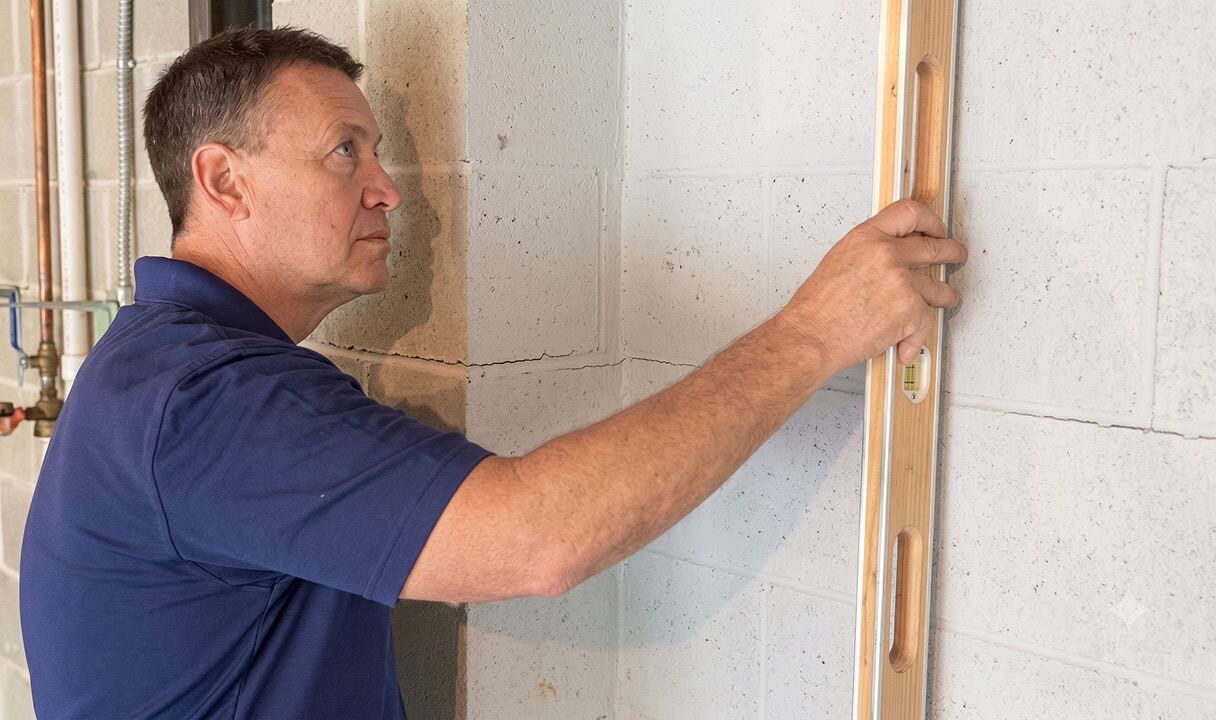
Free basement flood prevention inspection, no obligation
Whether you are protecting your basement before the next storm or making sure a flood never happens again, Steve or David Cohen provides free inspections for homeowners across Cincinnati, OH and Northern Kentucky. They will assess your current system, identify your risk points, and give you a clear plan, with no obligation. The best time to install a prevention system is before the next storm, not after the next flood. Every installation is backed by a lifetime transferable warranty.
Call (513) 489-0332 in Ohio or (859) 356-1002 in Northern Kentucky, or schedule online.
Schedule Your Free Inspection
We will reach out within one business day to schedule your free inspection & written estimate.