
Sump pump installation in Cincinnati, Ohio and Northern Kentucky
Professional sump pump installation, replacement, and battery backup for Greater Cincinnati and Northern Kentucky homeowners. Sized for your basement and installed to perform when the storms that matter most hit. Every installation is backed by a lifetime workmanship warranty.
Call (513) 489-0332 in Ohio or (859) 356-1002 in Northern Kentucky, or schedule online:
Schedule your free owner inspection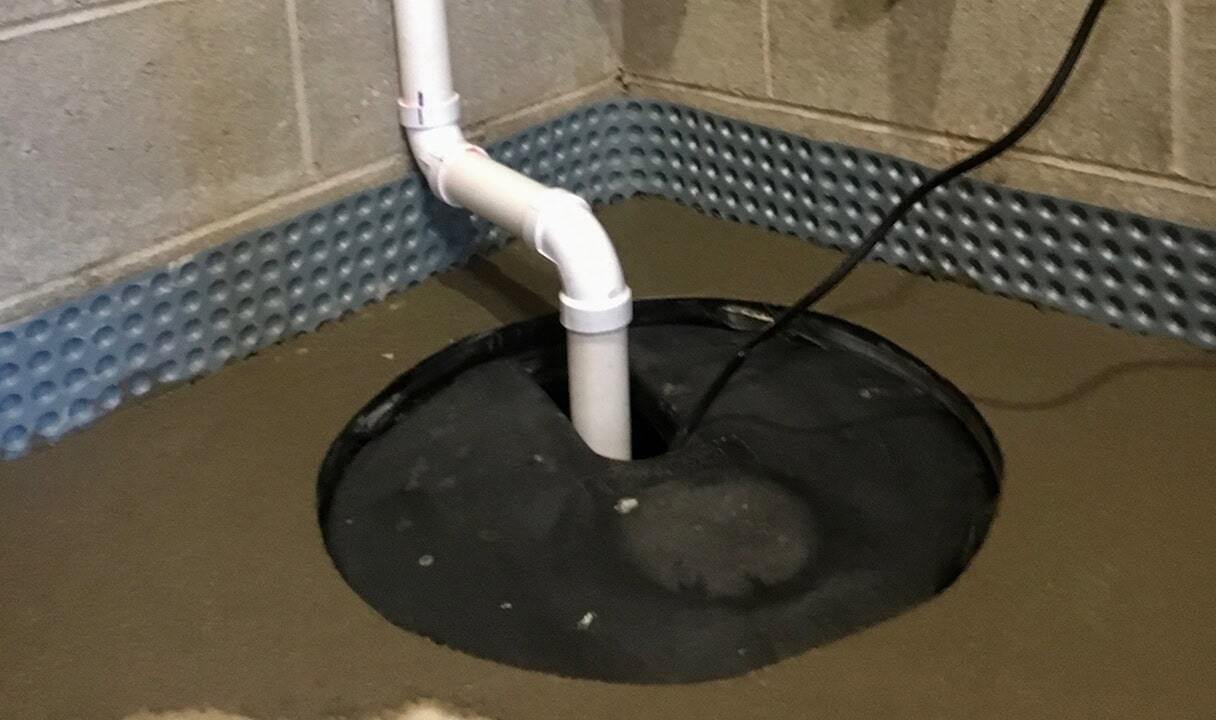
- Sized for your basement
- Lifetime workmanship warranty
- Free owner inspection, no obligation
Sized for your basement. Installed to perform.
A sump pump has one job, and it has to do it during the worst storm of the year. Sized and installed correctly, it clears water from the pit before that water reaches your floor, activating on its own as the level rises and discharging it well away from the home. Undersized, or with the discharge routed wrong, it fails at the exact moment the water is highest. The sizing, the pit placemencan you now apply the hero mat, and the discharge routing are what separate a pump that holds from one that floods a finished basement.
[ Visual work component: real sump pump installation photo, pit, pump, and discharge line ]
What is sump pump installation?
Sump pump installation is the process of setting a water removal system in a below-grade pit at the lowest point of a basement floor, connecting it to a discharge line that routes water to the exterior of the home, and sizing the pump for the water volume that basement will realistically experience during a heavy storm. For Greater Cincinnati and Northern Kentucky homeowners, that sizing step is not optional, because the clay soil and rainfall volumes in this region can overwhelm an undersized pump during peak events.
Stealth Foundation installs three types of sump pump service: new installations where no pit or pump currently exists, replacements for aging or failed systems, and battery backup additions for homes that need a second line of defense when power goes out. Each starts with a free inspection that determines the correct pump type, capacity, discharge routing, and whether a backup system is warranted for that specific basement and location. Every installation is backed by a lifetime workmanship warranty that transfers with the home through every future sale.
Why Cincinnati and Northern Kentucky homes need sump pumps
Greater Cincinnati receives significant rainfall throughout the year, with spring and early summer storms producing the kind of sustained, high-volume rain that overwhelms surface drainage and saturates the clay-heavy soil throughout the region. That saturated soil builds hydrostatic pressure against basement walls and floors, and water accumulates in sump pits rapidly during these events.
The other factor is power outages. Severe storms in the Cincinnati area routinely knock out power at the same moment they are producing the most rainfall. A primary sump pump runs on electricity. Without a battery backup system, the pump goes offline exactly when the water load is highest. For homes in Greater Cincinnati and Northern Kentucky, a battery backup pump is not optional equipment. It is the difference between a dry basement and several inches of standing water during a storm.
Homes that are part of an interior waterproofing system already have a sump pit as part of that installation. Homes without an interior drainage system may still need a sump pump if they sit in a low-lying area, have a high water table, or experience recurring water in the basement after heavy rain.
We install and service sump pump systems regularly in low-lying communities throughout Anderson Township, Milford, Loveland, and Mariemont in Ohio, and in flood-adjacent neighborhoods in Newport, Covington, and Erlanger across the river in Northern Kentucky. These are communities where the combination of Ohio River valley groundwater conditions and clay soil makes a properly sized, properly installed pump a genuine necessity rather than a precaution.
Signs your basement needs a sump pump
These situations indicate a sump pump installation or replacement is the right next step.
- No sump pump exists and the basement takes on water after heavy rain. If water is pooling on the basement floor following storms and there is no pump to remove it, the basement has no active water management. Installation addresses that gap directly.
- The existing pump is more than 7 to 10 years old. Submersible sump pumps have an average lifespan of 7 to 10 years under normal conditions. A pump approaching or past that range is a replacement candidate regardless of whether it has shown symptoms yet.
- The pump runs constantly or cycles on and off rapidly. A pump that never stops running or that cycles repeatedly in short intervals is either undersized for the water volume it is handling or has a mechanical problem.
- The pump makes unusual noise when it runs. Grinding, rattling, or irregular noise during operation indicates a problem with the motor or impeller that warrants inspection before the pump fails entirely.
- The pump does not activate when water rises in the pit. A float switch that sticks or fails is one of the most common causes of sump pump failure.
- The home has no battery backup and the area experiences storm-related power outages. If the primary pump is functional but unprotected by a backup system, the battery backup installation is a standalone service that significantly reduces flood risk.
How Stealth Foundation installs a sump pump system
Each installation follows the same sequence, from the sizing assessment through the final load test. Here is how the system goes in.
- Step 1: Free inspection and water volume assessment: Steve or David Cohen personally assesses the basement, determines the lowest collection point for the sump pit, evaluates the water volume the system will need to handle based on the home's location and drainage conditions, and selects the appropriate pump type and capacity. Proper sizing is determined here, before any excavation begins.
- Step 2: Sump pit excavation and lining: Where no pit exists, the pit is excavated at the lowest point of the basement floor where water naturally collects. The pit is sized for the pump being installed and lined appropriately to prevent soil intrusion.
- Step 3: Pump installation and float switch setup: The pump is set in the pit. For submersible systems, the unit is fully submerged with the motor sealed against water. The float switch is positioned and tested to confirm it activates at the correct water level.
- Step 4: Discharge line connection and routing: The discharge line is connected, routed to the exterior of the home, and sloped to prevent water from sitting in the line and freezing in winter. The exit point is positioned to move water well away from the foundation, not against it.
- Step 5: Battery backup installation (if included): A battery backup pump is installed in the same pit as the primary pump where included. It is wired to maintain its charge continuously when power is available and tested to confirm it activates correctly when the primary pump cannot.
- Step 6: System test and warranty documentation: The full system is tested under simulated load conditions before the crew leaves. You receive written warranty documentation for the completed installation. Our lifetime workmanship warranty covers the installation and transfers to any future owner at no cost, while the pump itself carries its manufacturer's warranty.
Choosing the right system
Submersible or pedestal, new install or replacement
Submersible pumps
Submersible pumps are installed inside the sump pit, fully submerged, with the motor sealed against water. They run quieter, handle higher water volumes, and are appropriate for the majority of residential installations in Greater Cincinnati and Northern Kentucky.
Pedestal pumps
Pedestal pumps sit on a stand above the pit, with only the intake at the bottom of the basin. The motor stays out of the water, which makes it easier to access for service and gives it a longer lifespan in some applications. Pedestal pumps fit narrower pits where a submersible unit does not, or applications where motor access is a priority.
Sump pump replacement
Pump replacement follows the same assessment process as a new installation. We inspect the existing pit, check the discharge line condition and routing, and evaluate whether the current system was correctly sized for the water volume the basement handles. If the pit, discharge line, and configuration are sound, we replace the pump and test the system. If the existing setup has problems that contributed to pump failure, we address those as part of the replacement.
Replacing a failed pump with an identical unit is not always the right answer. If the original pump was undersized, underpowered, or improperly positioned, the replacement is an opportunity to correct those problems rather than repeat them.
The install details that decide whether a pump holds
Sump pump installation sounds straightforward until a pump fails at 2 AM during a storm and the basement takes on three inches of water. What separates an installation that holds through years of Greater Cincinnati storms from one that does not comes down to how the system was sized, how the discharge line was routed, and whether a backup was included.
- Owner-led inspection: Steve or David Cohen personally conducts every inspection, assessing water volume, pit placement, discharge routing, and backup needs, and gives you a straight answer on what your basement actually needs. You deal with the people who install the system and stand behind the warranty, not a salesperson who is gone after the close.
- Sized before anything is ordered: The most common cause of pump failure in this market is an undersized pump selected without assessing the water volume the basement receives in a severe storm. We size every installation to that specific basement and location first. It is the step most often skipped in rushed or low-bid work, and it is not skipped here.
- Discharge line routed correctly: A line that is not sloped right, terminates too close to the foundation, or lacks a check valve will contribute to failure or send discharged water back toward the home. Every line we install is routed to move water away from the foundation, sloped against freezing, and checked before the crew leaves.
- 61 years in this exact market: Steve has 38 years and David has 23, all in Greater Cincinnati and Northern Kentucky. They have installed systems against Ohio River valley storm water hundreds of times, so how water behaves here in a severe spring storm is built into the design rather than guessed at.
- A clean track record: Stealth Foundation is BBB A+ accredited with a strong review record across Google and Angi, in a category where foundation and waterproofing companies draw some of the most complaints.
"We would rather lose a job than sell you a repair your home does not need."
What our lifetime workmanship warranty covers
Every sump pump installation Stealth Foundation completes is backed by a lifetime workmanship warranty that transfers with the home through every future sale at no cost to the new owner.
The warranty covers our installation work. The pump itself is a manufactured unit covered by its manufacturer's warranty, and if a covered pump ever fails, we help you handle the manufacturer claim and get the system running again. If anything related to our installation needs attention after the job is complete, we come back. For homeowners planning to sell, a documented installation with a transferable workmanship warranty is a resolved item at inspection rather than an open question. For homeowners staying in the home, it removes the concern that the system will fail without recourse.
Schedule a free sump pump inspection
Whether you need a new installation, a replacement, or a battery backup added to an existing system, the right starting point is a free inspection. We assess the basement, the existing pit if one is present, the discharge line condition and routing, and the water management demands specific to your home.
What happens during the inspection
Steve or David Cohen personally examines the basement, assesses the existing pit and pump condition if present, checks the discharge line routing and termination point, and determines what the installation requires. They explain what they find, what the installation will involve, and what it will cost before any work is scheduled. If a sump pump is part of a larger water management need, they can assess that at the same time.
Learn more about how sump pumps integrate with our interior basement waterproofing system, or see an overview of all of our waterproofing services.
Stealth Foundation serves homeowners throughout Greater Cincinnati and Northern Kentucky. Call (513) 489-0332 or use the contact form to schedule your free inspection. We respond within one business day.
Frequently asked questions about sump pump installation
Most residential sump pump installations in Greater Cincinnati and Northern Kentucky fall between $600 and $2,000 for a standard submersible system including pit excavation, pump, and discharge line installation. Adding a battery backup system typically runs an additional $300 to $700. Pump replacement on an existing pit generally falls between $400 and $1,200 depending on pump type and whether the discharge line needs attention. The variables that affect cost are whether a new pit needs to be excavated, the pump type and capacity required, the length and routing of the discharge line, and whether a backup system is part of the installation. We provide a written estimate after the free inspection so you have a specific number before any decision is made.
For most residential basements in Greater Cincinnati and Northern Kentucky, a submersible sump pump is the appropriate choice. Submersible units are installed inside the pit with the motor fully sealed against water. They run quieter than pedestal units, handle higher water volumes, and are better suited to the rainfall volumes the region produces during severe spring storms. Pedestal pumps are appropriate when the pit is too narrow to accommodate a submersible unit or when motor access for service is a priority. The right pump for your basement depends on pit dimensions, the volume of water the system needs to handle, and the discharge distance. We assess these factors during the inspection and recommend accordingly.
For most homes in Greater Cincinnati and Northern Kentucky, yes. The storms that produce the highest rainfall volumes in this region regularly cause power outages. A primary sump pump runs on electricity. When the power goes out during a storm, the primary pump stops exactly when the water load is highest. A battery backup system is a secondary pump in the same pit that activates automatically when the primary loses power, when the primary is overwhelmed by volume, or when the primary fails mechanically. It operates on a battery that stays charged when power is available. Adding a battery backup at the time of primary pump installation is the most cost-efficient point to include it, though it can be added to an existing system as a standalone service.
The clearest indicator is water on the basement floor after heavy rain with no system in place to remove it. Beyond that, homes in low-lying areas of Greater Cincinnati and Northern Kentucky, properties near tributaries or in areas with a high seasonal water table, and homes that are part of an interior waterproofing drainage system all have a genuine need for a functioning sump pump. If a pump exists but is aging beyond 7 to 10 years, runs continuously, cycles rapidly, makes unusual noise, or fails to activate when water rises in the pit, that pump warrants replacement before it fails during a storm. A free inspection gives you a clear picture of what your basement's water management situation requires.
Submersible sump pumps have an average lifespan of 7 to 10 years under normal operating conditions. Pedestal pumps typically last 10 to 15 years. How hard the pump works shortens that range. A pump that runs frequently during heavy rain seasons in Greater Cincinnati will reach the end of its service life faster than one in a drier climate. Signs a pump should be replaced include unusual operating noise, running continuously without shutting off, rapid on and off cycling, failure to activate when water rises in the pit, and visible rust or corrosion on the housing. A pump approaching the end of its expected lifespan is worth replacing proactively rather than waiting for a failure during a storm.
Yes. The sump pump is the final component of an interior drainage system. In an interior waterproofing installation, a perforated pipe collects water along the perimeter of the basement and routes it to a sump pit. The pump removes water from the pit and discharges it to the exterior of the home. Without a functioning pump, the drainage system has nowhere to send the water it collects. The two systems are designed to work together. If you have an interior drainage system with an aging or failed pump, replacement is a straightforward service that restores the full system to working condition.
Standard homeowners insurance policies do not cover basement flooding caused by sump pump failure or rising groundwater unless the homeowner has purchased a specific sump pump failure or water backup rider, which is sold as an add-on and is not included in a standard policy. Flooding caused by water entering from the outside, through the foundation, a drainage failure, or a storm surge, is generally excluded as well. Most homeowners in Greater Cincinnati and Northern Kentucky pay for sump pump replacement and any resulting water damage out of pocket, which is why Stealth Foundation provides a detailed written estimate with no obligation before any work begins, and backs every installation with a lifetime workmanship warranty.
Our service areas
Sump pump installation across Greater Cincinnati and Northern Kentucky
We install, replace, and back up sump pump systems for homeowners across Hamilton, Butler, Clermont, and Warren counties in Ohio and Kenton, Boone, and Campbell counties in Northern Kentucky. If you don't see your community, give us a call, and we can confirm coverage before your inspection.
Cincinnati, Ohio
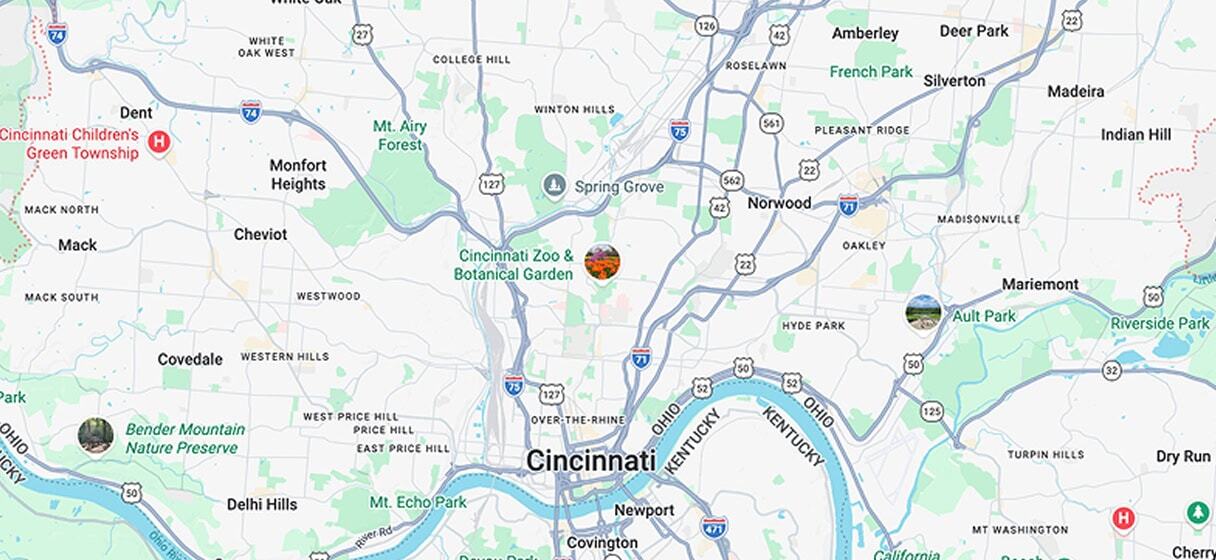
Our Greater Cincinnati service area includes Cincinnati, Milford, Anderson Township, West Chester, Mason, Hyde Park, Blue Ash, Loveland, Norwood, Price Hill, Westwood and surrounding communities.
Northern Kentucky
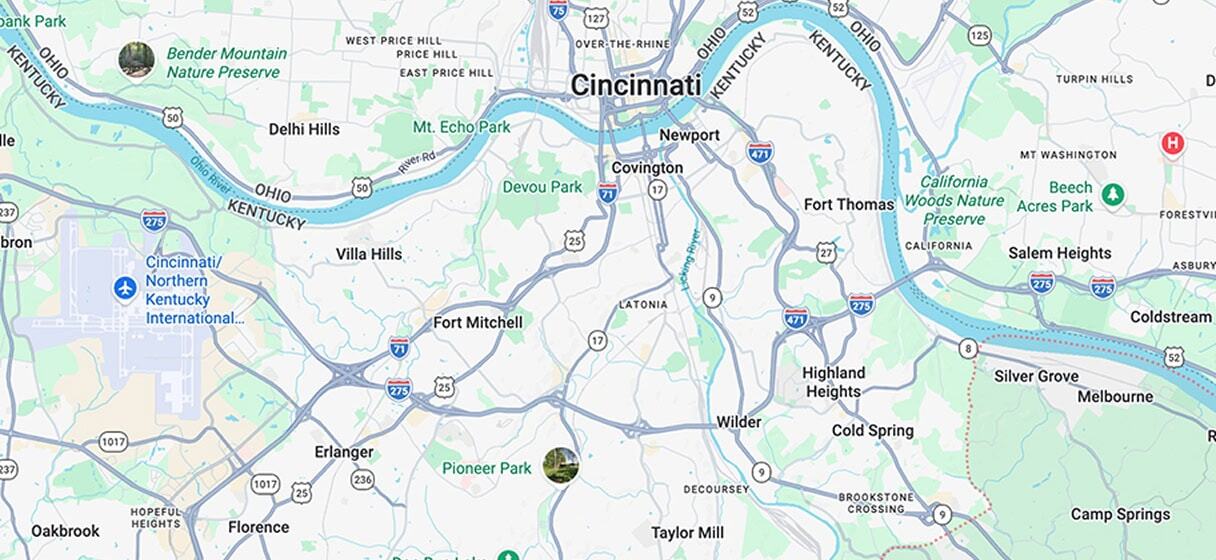
Our Northern Kentucky service area includes Independence, Covington, Fort Thomas, Florence, Erlanger, Newport, and Fort Mitchell and surrounding communities.
Related waterproofing and foundation services
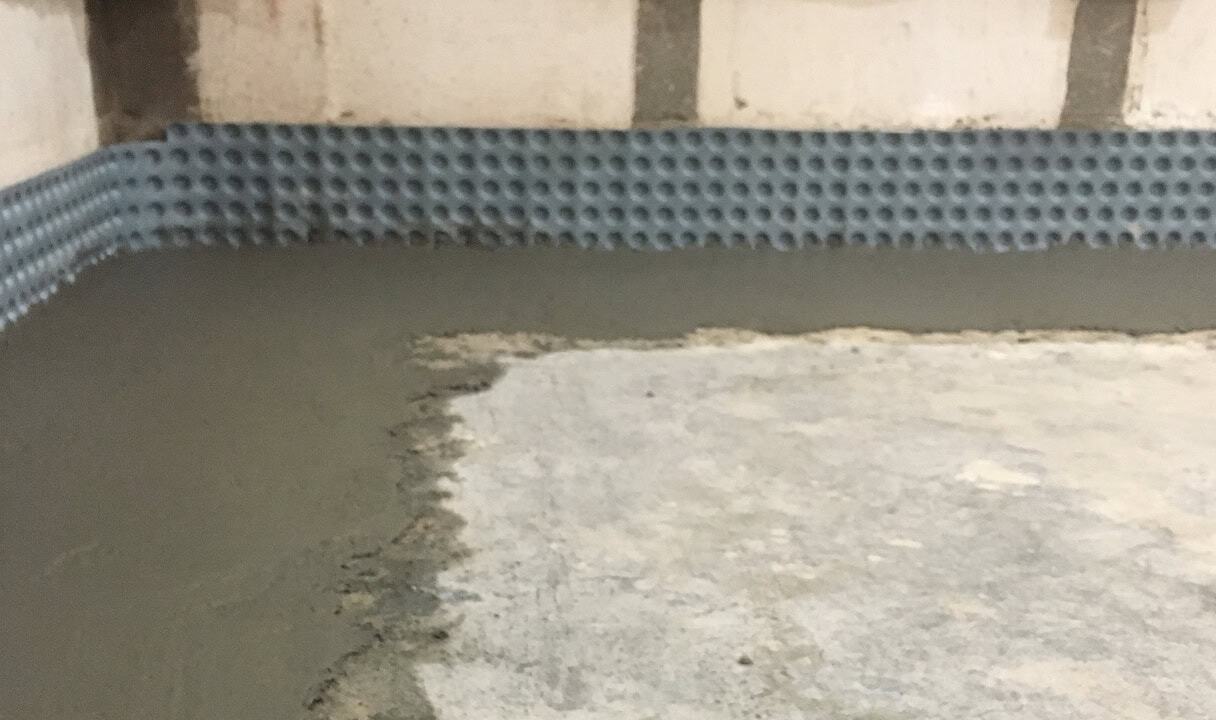
Interior basement waterproofing
The drainage system the sump pump works with. If water is actively entering the basement, interior waterproofing addresses the full system: drainage channel, pipe, and pump working together.
Interior basement waterproofing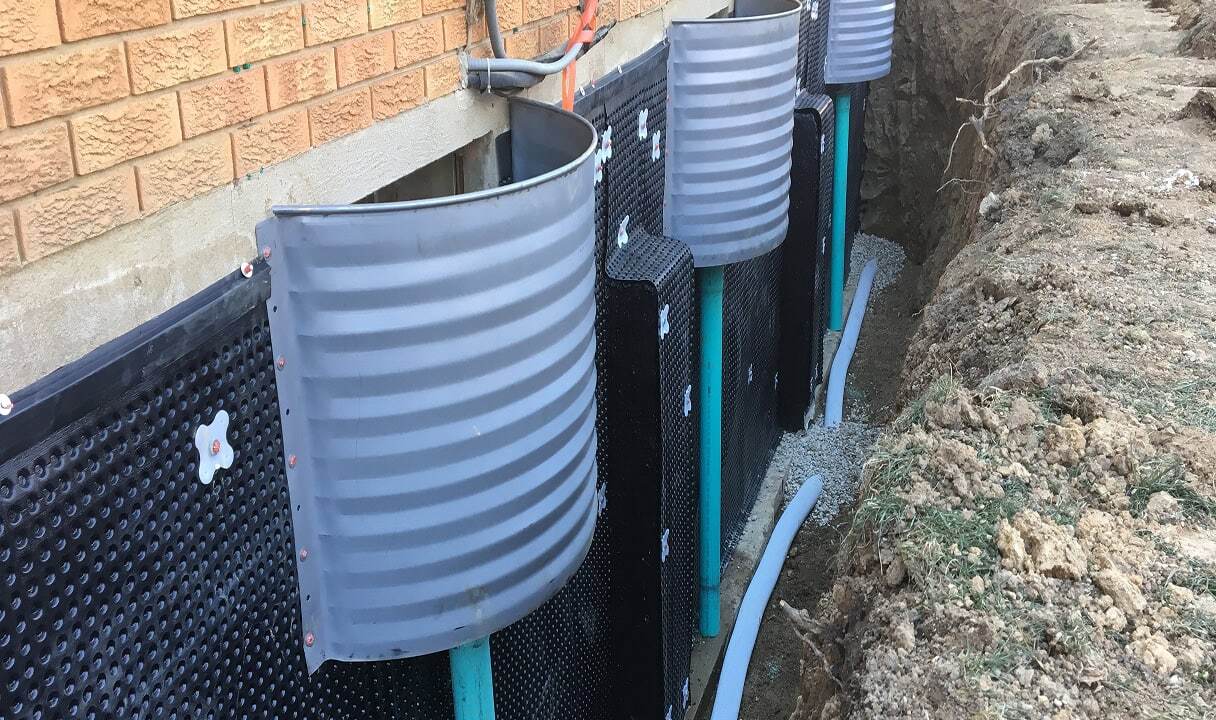
Exterior basement waterproofing
For homes where stopping water at the source with an exterior membrane and drainage system is the appropriate approach.
Exterior basement waterproofing
All basement waterproofing services
An overview of every waterproofing solution Stealth Foundation offers and how the inspection determines which is right for your home.
All basement waterproofing servicesGet a free sump pump inspection and find out what your basement actually needs
The storm that tests your sump pump is not the moment to find out it was undersized or improperly installed. Schedule a free inspection with Steve or David Cohen, who bring 61 years of combined experience sizing and installing pump systems across Greater Cincinnati and Northern Kentucky. You will get a straight assessment and a written estimate before any commitment is made.
Call (513) 489-0332 in Ohio or (859) 356-1002 in Northern Kentucky, or schedule online:
Schedule your free owner inspection
We will reach out within one business day to schedule your free owner inspection and written estimate.