
Wet basement: causes, warning signs, and how to fix it for good
A wet or damp basement is not a condition that improves on its own. Whatever is letting moisture in is still there, and it is still working on your foundation. This page explains what you are likely seeing, what is causing it, and what it takes to fix it permanently, for Greater Cincinnati and Northern Kentucky homeowners dealing with the specific conditions that make this region one of the more demanding in the country for basement moisture.
Call (513) 489-0332 in Ohio or (859) 356-1002 in Northern Kentucky, or schedule online:
Schedule your free owner inspection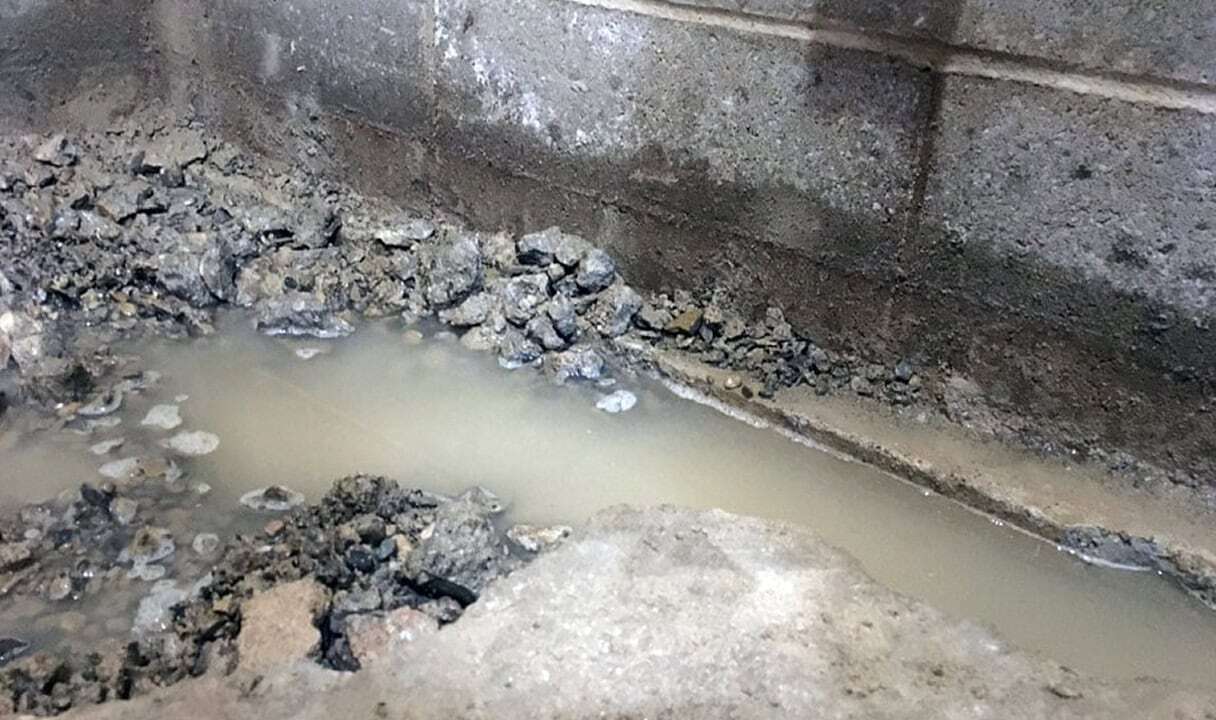
- Free owner inspection, no obligation
- 61 years fixing local basement moisture
- We find the source, not just the symptom
What a wet basement is telling you
A wet or damp basement is evidence that water is finding a path into a space not designed to receive it. The source is almost always one of a few identifiable causes: hydrostatic pressure from saturated clay soil pressing against the foundation wall, seepage where the wall meets the floor, water moving through foundation cracks, or drainage failures above grade that concentrate moisture against the foundation. In Greater Cincinnati and Northern Kentucky, all of these forces work on every basement in the region.
The damage from leaving it unaddressed compounds over time. Mold can establish within 24 to 48 hours of sustained moisture, and once present it circulates through the home's air system. Wood framing and floor joists degrade gradually in chronically damp conditions. Foundation cracks that admit small amounts of water widen through seasonal freeze and thaw cycling. A basement that is manageable today becomes a more expensive, more complicated problem next year.
The fix is permanent when the source is correctly identified. That is what the free inspection does.
A wet or leaking basement is not something that resolves on its own. Whether you are noticing a musty smell, water stains along the wall, white residue on the concrete, or actual seeping after heavy rain, something is causing moisture to enter your basement, and that cause does not go away without being addressed. Stealth Foundation has been helping Cincinnati and Northern Kentucky homeowners identify and permanently fix wet basement problems since 2010. This page explains what you are likely seeing and what it means.
Warning signs of a wet basement
Not every wet basement looks the same. Some have standing water after a storm. Others stay persistently damp without ever producing visible water. These are the signs that indicate moisture is entering your basement.
- Water seeping through basement walls or floor joints. Visible water moving through the wall surface or entering at the joint where the wall meets the floor, the cove joint, is the most direct indicator that water is finding its way in under pressure.
- A persistent musty smell. A musty odor in the basement indicates mold or mildew growth in an area of chronic dampness. The smell typically appears before visible mold and is a reliable early warning sign. If the smell is present consistently, not just after heavy rain, moisture is entering the space on an ongoing basis.
- White chalky residue on walls. Efflorescence, the white, powdery deposit you see on concrete or block walls, is mineral residue left behind when water moves through the concrete and evaporates. It is not structurally damaging on its own, but it is direct evidence that water has been moving through the wall. Where there is efflorescence, there is ongoing water movement.
- Water stains or tide marks on walls and floors. Staining at a consistent height on the wall indicates the water level has reached that point repeatedly. These marks tell you both that water is entering and approximately how much is accumulating.
- Peeling paint or bubbling drywall. Finished basement surfaces that are blistering, bubbling, or peeling are responding to moisture behind or beneath them. Paint and drywall in a basement environment are often the first materials to show signs that the space is not dry.
- Rust stains on appliances, water heaters, or HVAC equipment. Metal equipment sitting in a chronically damp basement environment corrodes. Rust staining at the base of water heaters, furnaces, or appliances is evidence of persistent floor-level moisture even when you cannot see standing water.
- Mold or mildew visible on walls, floors, or in corners. Visible mold growth in a basement indicates sustained moisture at levels that support biological growth. The presence of mold is a health concern for the occupants of the home and a signal that the moisture problem is not new.
- Condensation on pipes and walls during humid months. Condensation forms when warm, humid air contacts cooler basement surfaces. This is distinct from leaking. It is a moisture problem created by air rather than water entering through the foundation. Both produce a damp basement, but they require different responses.
What causes a wet basement
Wet basements have specific causes. Identifying the right one matters because different entry points require different solutions. These are the most common causes in Greater Cincinnati and Northern Kentucky homes.
- Hydrostatic pressure from saturated soil. When the clay-heavy soil surrounding Cincinnati foundations absorbs water after heavy rain, it presses against the foundation wall with significant force. That pressure forces moisture through hairline cracks, porous concrete, and floor joints, even when the entry point is too small to be visible.
- Cove joint seepage. The joint where the basement wall meets the floor is one of the most common water entry points in Greater Cincinnati homes. Water driven by hydrostatic pressure finds this joint because it is a natural gap in the foundation assembly. Water entering at the cove joint often appears as a line of moisture along the base of the wall.
- Wall cracks allowing direct water entry. Settlement cracks, shrinkage cracks, and pressure cracks in the foundation wall create pathways for groundwater to enter. The larger the crack and the wetter the surrounding soil, the more water moves through it.
- Poor grading or failing gutters and downspouts. When the ground around a home slopes toward the foundation rather than away from it, or when gutters and downspouts direct water to pool near the foundation, the soil adjacent to the wall stays saturated longer after every rainfall. That sustained saturation drives water in.
- Window well drainage failure. Basement windows set below grade require functional drainage in the well around them. When that drainage fails or becomes clogged, water collects in the well and seeps in through the window frame or the surrounding concrete.
- Cincinnati's clay soil retaining water against the foundation. Clay soil does not disperse water the way sandy or loamy soil does. It absorbs and holds moisture against the foundation for extended periods after rainfall, maintaining pressure against the wall long after the storm has passed.
- Seasonally elevated water table in Northern Kentucky. The terrain and proximity to the Ohio River and its tributaries throughout Northern Kentucky can push the water table higher during wet seasons. Homes in lower-lying areas may experience basement moisture driven by groundwater pressure rather than surface rainfall alone.
- Condensation from warm humid air meeting cool surfaces. During summer months, warm humid air entering a cooler basement condenses on pipes, walls, and floors. This creates moisture that looks like leaking but originates inside the air rather than outside the foundation. An inspection identifies which problem, or combination, is present.
The hidden risks of ignoring a wet basement
A wet basement is not a cosmetic problem. The consequences of leaving it unaddressed compound over time.
Mold growth can begin within 24 to 48 hours of moisture presence. Once established, mold affects the air quality throughout the home, not just in the basement, because air circulates between floors. Stealth Foundation addresses the moisture problem; mold remediation, if needed, requires a separate specialist.
Chronic moisture degrades wood framing, floor joists, and other structural elements over time. A damp basement that has been damp for years is a structural concern as well as a moisture one. The damage accumulates quietly, visible only when framing is inspected directly.
Water intrusion through foundation cracks widens those cracks. Each wet-dry cycle expands and contracts the concrete around the crack, and each freeze and thaw event does the same. A crack that admits moisture today will admit more moisture next year.
Finished basement space, including flooring, drywall, built-ins, and stored belongings, is at constant risk in a wet basement. Any investment in finishing or using the basement is undermined by an unresolved moisture problem beneath it.
Wet basements are flagged immediately by home inspectors and buyers. A leaking basement that is disclosed at sale creates negotiating pressure. One that is discovered during inspection creates a more complicated problem. A professionally waterproofed basement with a transferable warranty is a resolved item rather than an open question.
Professional solutions for a wet basement
A wet basement has a permanent fix. The right solution depends on where the water is entering and how. Stealth Foundation inspects each home individually and recommends the approach that matches the actual source. Interior waterproofing captures water that is entering through the wall or floor joint and routes it out before it spreads across the basement floor. Exterior waterproofing stops water at the source by applying a membrane barrier and drainage system to the outside of the foundation wall before water ever contacts the concrete. Sump pump installation removes water that accumulates in a sump pit as part of a complete drainage system. Many homes benefit from a combination of these approaches depending on how water is entering and from which direction.
If your concern is sudden, high-volume flooding rather than chronic moisture, our basement flood prevention page covers that distinct problem and the systems that address it.
Why Cincinnati and Northern Kentucky basements are especially prone
Greater Cincinnati averages over 40 inches of rainfall annually, above the national average, and that rainfall falls on soil that is poorly suited to rapid drainage. The clay-heavy soil throughout the Cincinnati metro and Northern Kentucky retains water rather than absorbing and dispersing it, which keeps the soil surrounding basement walls saturated for extended periods after every significant rain event.
The Ohio River valley geography creates drainage challenges that flat, inland regions do not face. The terrain channels runoff toward lower elevations, concentrating water near foundations in hillside neighborhoods and low-lying areas throughout the region. The Ohio River and its tributary systems contribute to seasonally elevated groundwater levels in parts of Northern Kentucky as well, adding pressure from below in addition to the surface-water pressure from above.
Freeze and thaw cycling through Northern Kentucky winters widens existing cracks in foundation walls over time. Each winter, water that has found its way into small cracks freezes, expands, and makes those cracks slightly larger. The cumulative effect over many winters is a meaningfully wider opening for water to enter during the wet seasons that follow.
A large portion of the housing stock in Greater Cincinnati and Northern Kentucky predates modern waterproofing standards. Homes built before the 1980s were constructed without the drainage systems, membrane technologies, and grading standards that are common in newer construction. Many of these homes were dry for decades and have developed moisture problems only as the original drainage solutions have aged or as soil conditions around the foundation have changed over time.
We see these moisture patterns consistently in older neighborhoods throughout Hyde Park, Norwood, Price Hill, and Westwood in Ohio, communities where block and poured-concrete foundations from the 1950s and 1960s are managing decades of accumulated clay pressure, and across the river in Covington, Newport, and Fort Thomas in Northern Kentucky, where proximity to the Ohio River and older drainage infrastructure create chronic moisture conditions that predate any individual homeowner's tenure in the home.
Frequently asked questions about wet basements
Wet and damp basements in Greater Cincinnati and Northern Kentucky are most commonly caused by hydrostatic pressure from water-saturated clay soil pressing against foundation walls, water entering through the cove joint where the wall meets the floor, cracks in the foundation wall that allow groundwater to pass through directly, poor grading or failing gutters that concentrate water against the foundation, window well drainage failure, and condensation from warm humid air contacting cooler basement surfaces. Most leaking basements have more than one contributing factor, which is why the source needs to be identified by inspection before the right solution can be selected. Different entry points require different fixes. Treating the wrong one does not resolve the problem.
Chronic basement moisture creates conditions where mold and mildew can establish and grow, and mold spores circulate throughout a home's air system regardless of whether the basement is finished or actively used. Mold growth in a persistently damp basement is a real health concern, particularly for household members with allergies, asthma, or respiratory sensitivities. The structural risk is real as well. Chronic moisture degrades wood framing and floor joists over time in ways that are not visible until the damage is already significant. Addressing the moisture source resolves the conditions that allow these problems to develop. Stealth Foundation addresses the water intrusion problem; if mold is already established, mold remediation by a qualified specialist is a separate step.
The white, chalky, or powdery deposit on basement walls is called efflorescence. It forms when water moves through concrete or block, dissolves the minerals in the material, and then evaporates at the surface, leaving the dissolved minerals behind as a white residue. Efflorescence itself is not structurally damaging, but what it tells you is this: water has been moving through that wall. It is evidence of ongoing moisture infiltration, not a one-time event. The more widespread the efflorescence, the more consistently water has been moving through the wall at that location. If you are seeing it in multiple places or in a spreading pattern, a professional inspection is the right next step to identify where the water is entering and how to stop it.
Yes. The conditions that cause basement moisture, clay soil pressure, drainage problems, foundation cracks, do not resolve on their own. Cracks that currently admit small amounts of water widen over time through freeze and thaw cycling and the continued movement of concrete with seasonal temperature and moisture changes. Mold that begins in one corner spreads as moisture levels remain elevated. Wood framing that is chronically damp weakens gradually. The cost of a professional waterproofing solution today is consistently less than the combined cost of the structural damage, remediation, and more extensive waterproofing work that accumulates from years of deferred repair.
A wet or leaking basement refers to chronic moisture intrusion: water seeping through walls, entering at floor joints, accumulating slowly, creating persistent dampness and related symptoms like efflorescence, mold, and odor. The source is typically groundwater pressure, drainage problems, or foundation cracks that allow water in gradually over time. A flooded basement refers to a sudden, high-volume water event: a sewer backup, a failed sump pump during a storm, or surface water entering through window wells or doors. Wet basement problems are addressed with waterproofing systems. Basement flooding prevention involves additional considerations including sump pump capacity, backup systems, and drainage infrastructure. Both are real problems and both have professional solutions, but they are not the same condition and should not be treated as interchangeable. For homeowners dealing with acute flooding rather than chronic moisture, see our basement flood prevention page.
A permanent fix for a wet basement in Greater Cincinnati or Northern Kentucky starts with identifying exactly where and how water is entering, which is what the free inspection determines. From there, the solution matches the source. Interior waterproofing captures water at the point it enters and routes it out through a drainage system, the right approach when excavation is not practical or when water is entering at the floor joint or through the wall. Exterior waterproofing stops water before it contacts the foundation wall by applying a membrane and drainage system on the outside, the most comprehensive solution when the source of pressure is best addressed from the exterior. Sump pump installation completes a drainage system by removing collected water automatically. Every solution Stealth Foundation installs is backed by a lifetime transferable warranty.
61 years of combined experience
Why homeowners call Stealth Foundation first
Steve Cohen has 38 years of foundation and waterproofing experience here. David has 23. Between them, 61 years of tracing water intrusion in the same block and poured-concrete basements, the same clay soil, the same seasonal water pressure. Our owners personally conduct every inspection and give you a straight answer on where the water is coming from and what the right response is. Backed by a BBB A+ rating and verified reviews on Google and Angi, and one promise: we would rather lose a job than sell you a repair your home does not need.
Free wet basement inspection: find out what is causing it
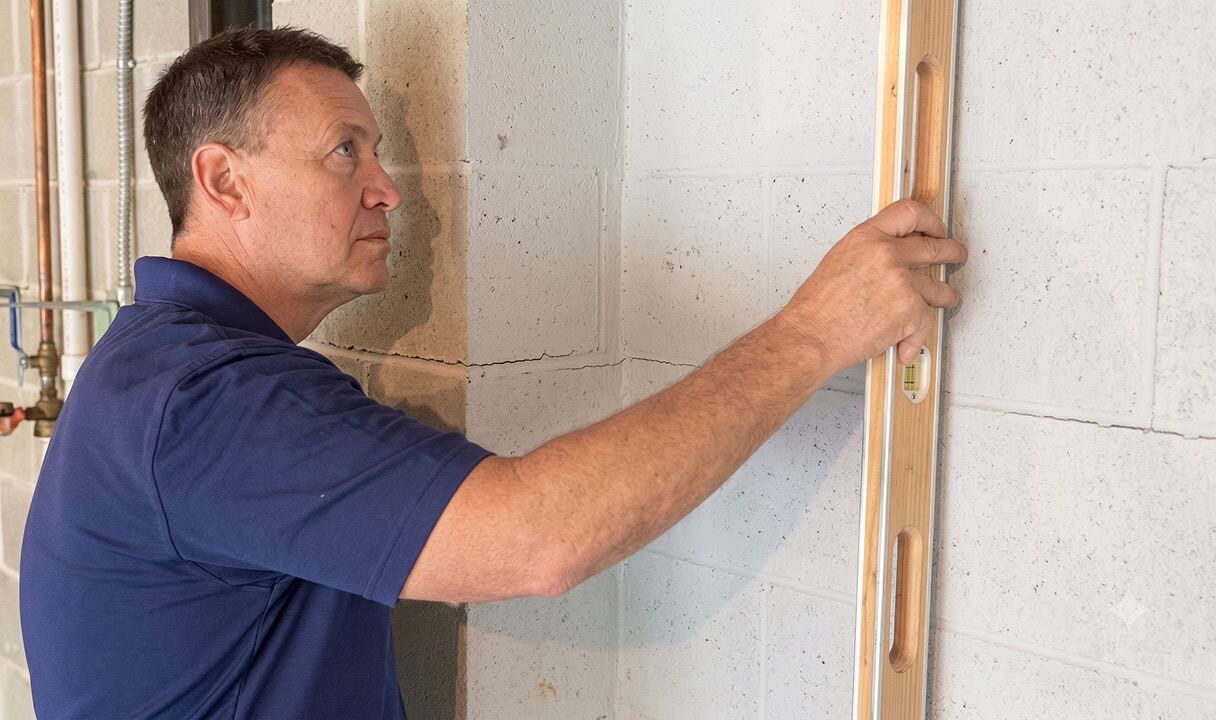
A wet basement is not a cosmetic problem. It is a sign that water is finding a way in, and it has a permanent fix once the source is identified. Steve or David Cohen personally examines the basement, identifies where the water is entering, and gives you a clear, honest plan to stop it, with no guesswork and no obligation. If repair is needed, they explain what it involves and what it costs before any work is scheduled. Every installation is backed by a lifetime transferable warranty.
Call (513) 489-0332 in Ohio or (859) 356-1002 in Northern Kentucky, or schedule online.
Schedule Your Free Inspection
We will reach out within one business day to schedule your free inspection & written estimate.